
- Home/
- Buy Doxycycline in Online Pharmacy for United States Customers
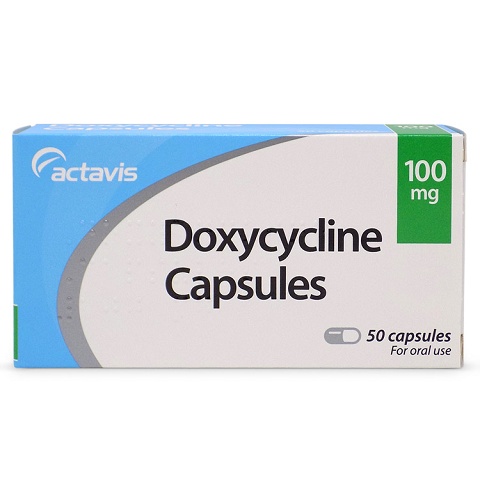
Is Doxycycline First-Line—Or a Second Thought? The Real Place of Doxycycline in U.S. Care
Picture a patient with a red, swollen tick bite, walking into a rural clinic in Pennsylvania. The doctor doesn’t hesitate: a prescription for Doxycycline is written—sometimes before the patient even mentions their history of hiking. In other parts of the country, someone with a stubborn sinus infection might leave empty-handed, because Doxycycline isn’t even considered. Why the difference?
Doxycycline is one of the most versatile antibiotics available in the United States. It’s a go-to for Lyme disease, Rocky Mountain spotted fever, acne that won’t clear up, some respiratory infections, and a surprising list of less-common bacteria. But it isn’t used for every infection, and that’s by design. In fact, U.S. guidelines often reserve Doxycycline for cases where other antibiotics fall short—either because the germ is resistant, the infection is unusual, or the patient has allergies to more standard options.
Unlike penicillins or cephalosporins, Doxycycline doesn’t just poke holes in bacterial walls—it blocks proteins inside the bacteria, stopping them from growing. That difference matters most when facing tough, intracellular bugs (the ones hiding inside your cells), or when allergies and resistance narrow your options. For many patients, Doxycycline isn’t just Plan B—it’s the best plan, especially for certain tick-borne or atypical infections.
But the decision isn’t always clear-cut. Some doctors still hesitate to use Doxycycline in children or pregnant women (with good reasons, but also some outdated fears), and the side effect profile—while manageable—demands attention to details that other antibiotics simply don’t. The result? Doxycycline sits in a unique spot: sometimes first-choice, sometimes a backup, always a calculated decision.
Doxycycline and Your Infection: Expectations, Reality Checks, and Surprises
You start the pills. You expect to feel better in 24 hours. Sometimes you do, sometimes you don’t. Here’s what actually happens for most people on Doxycycline in the U.S.—not the promise, but the pattern.
- Rapid Response: For infections like Lyme disease or certain pneumonias, symptoms often improve within two to three days. Don’t stop even if you feel better—bacteria can linger, and stopping early is a common way to trigger relapse or resistance.
- Slow Burn: Acne, rosacea, or chronic bronchitis? Expect a much slower improvement—sometimes weeks before real change. Doxycycline’s anti-inflammatory effect is part of why it works here, not just its germ-killing power.
- Setbacks Happen: Nausea or stomach upset may hit in the first few days. Sunburn risk is real—Doxycycline makes your skin more sensitive, and U.S. summers can turn a normal walk into a mistake you won’t make twice.
- Food Matters: Unlike some antibiotics, Doxycycline should be taken with a full glass of water and (unless told otherwise) while sitting or standing up. Some foods—especially dairy—can interfere with absorption. If you’re sick of rules around pills, this one is important.
What’s never written in the package insert: patients in the United States often expect “strong” antibiotics to work instantly. Doxycycline’s real power is in its range and in preventing complications for infections like tick bites and some pneumonias. If you don’t feel better in a few days—or if you start feeling worse—call your doctor. For some infections, Doxycycline is the hero. For others, it’s only as good as the diagnosis that led to its use.
Taking Doxycycline: What to Do, What to Avoid, and Why Timing Matters
Miss your morning dose by two hours? Ate yogurt with your pill? Lay down right after swallowing? With Doxycycline, those details shape outcomes more than you might think.
First, take each dose with a full glass of water. Stay upright—standing or sitting—for at least 30 minutes. Why? This isn’t a myth. Doxycycline can cause severe irritation of the esophagus if it gets stuck or is followed by lying down too soon. Patients who break this rule sometimes end up with pain that mimics a heart attack—or a trip to the ER. The U.S. Food and Drug Administration (FDA) highlights this as a unique risk compared to other antibiotics (FDA).
Dosing matters too. For adults, the typical dose and duration depend on the infection being treated. For children (age 8 and older), adjustments are made by weight. For severe kidney or liver problems, most patients can take standard doses—another way Doxycycline stands apart from other antibiotics that need adjustment. But always follow your doctor’s exact instructions.
| Indication | Starting Dose | Maintenance Dose | Usual Duration | Notes |
|---|---|---|---|---|
| Lyme Disease (adults) | 100 mg twice daily | 100 mg twice daily | 10–21 days | Longer for late-stage or neurologic cases |
| Acne / Rosacea | 50–100 mg once or twice daily | 50–100 mg once or twice daily | Weeks to months | Anti-inflammatory effect is part of benefit |
| Community-Acquired Pneumonia | 100 mg twice daily | 100 mg twice daily | 7–14 days | Used for “atypical” organisms and cases with allergy to first-line drugs |
| Tick-Borne Illness (adults/children ≥8 yrs) | 2.2 mg/kg twice daily (max 100 mg per dose) | 2.2 mg/kg twice daily | 5–10 days | Short-course for prophylaxis after tick bite is sometimes used |
There’s no “one size fits all.” Following the schedule and avoiding common interactions gives Doxycycline its best chance to work—and reduces the risk of side effects that lead many patients to give up early. If in doubt, ask your pharmacist or doctor for specifics. U.S. pharmacy teams answer these questions every week.
Doxycycline vs. Other Antibiotics: When Difference Is Decisive
For some infections, the choice between Doxycycline and another antibiotic is routine. For others, the difference can change outcomes—sometimes dramatically. Here’s where Doxycycline stands apart, and where it doesn’t.
| Feature | Doxycycline | Amoxicillin | Azithromycin |
|---|---|---|---|
| Mechanism | Protein synthesis inhibitor (intracellular) | Cell wall inhibitor | Protein synthesis inhibitor |
| Key Indications | Tick-borne diseases, acne, respiratory infections, STIs | Strep throat, ear infections, sinusitis, some pneumonias | Respiratory infections, STIs, some skin infections |
| Effective Against Resistant Bacteria? | Often, yes | Sometimes—resistance increasing | Sometimes—specific strains |
| Food/Drug Interactions | Yes (dairy, antacids, iron, sun sensitivity) | Few | Few |
| Adverse Effects | GI upset, sunburn, esophageal irritation | Rash, diarrhea, yeast infection | GI upset, heart rhythm risks |
| Pediatric Use | Yes, if ≥8 years (with caution) | Yes, all ages | Yes, all ages |
| Pregnancy Use | Generally avoided | Preferred | Sometimes |
| Prescription Required (U.S.) | Yes | Yes | Yes |
| Cost (typical) | Low (generic widely available) | Low | Low to moderate |
In practice, Doxycycline is uniquely positioned for infections where cell-penetrating action is needed (tick-borne illnesses, some atypical pneumonias, chlamydia), and for patients who can’t tolerate penicillins or cephalosporins. Its side effect and interaction profile is less forgiving, but for the right infection, it can be life-saving. Cost isn’t a barrier in the U.S.—generic versions put it on par with the cheapest antibiotics, and insurance almost always covers it. Where Doxycycline isn’t first choice, it’s usually because a narrower or better-tolerated option works just as well.
Which Side Effects Matter Most with Doxycycline—and When to Act
Doxycycline’s reputation among U.S. patients is a mixed bag: some call it a “miracle,” others swear never again after a rough few days. The truth is in the details.
Nearly everyone experiences some mild stomach upset with Doxycycline. Heartburn, or even chest pain after taking a dose, is the signature side effect when it’s not taken with enough water or lying down is involved. Less common, but more serious, are rashes, severe headaches, or vision changes. Sun sensitivity is real: even brief exposure can cause burns that surprise patients who never burn otherwise, especially during a typical American summer.
For children, tooth discoloration is the side effect that drives caution. For adults, the risks are lower, but not zero. Allergies to Doxycycline are rare but can be severe. Yeast infections (in women) and gastrointestinal upsets are more common with longer courses.
| Side Effect | How Common? | When to Call Your Doctor |
|---|---|---|
| Stomach upset, nausea | Very common | If vomiting prevents you from keeping medication down |
| Heartburn, chest pain | Common | If severe or persistent, or if swallowing is painful |
| Sunburn (photosensitivity) | Moderate, especially in summer | If blistering, severe redness, or swelling develops |
| Allergic reaction (rash, swelling, difficulty breathing) | Rare | Immediately—call 911 or seek emergency care |
| Yeast infection (women) | Somewhat common with prolonged use | If symptoms are severe or do not resolve after stopping antibiotic |
| Severe headache, vision changes | Rare | Immediately—could signal increased intracranial pressure |
| Tooth discoloration (children under 8) | Rare, but risk is real | Discuss with pediatrician before use |
Most side effects resolve by changing how or when you take Doxycycline. But for the serious ones above, don’t wait—medical help in the U.S. is just a call away, and early action makes all the difference.
When Not to Take Doxycycline: The Must-Read Warning List
- You are allergic to any tetracycline antibiotics (including Doxycycline, Minocycline, or Tetracycline). Allergy can cause severe, even life-threatening reactions.
- You are pregnant—unless your physician specifically determines the benefits outweigh the risks. Doxycycline may harm fetal bone and tooth development.
- The patient is a child under age 8. Doxycycline can cause permanent tooth discoloration and affect bone growth.
- Severe liver disease: Doxycycline is processed in the liver, and rare cases of liver injury have been reported, especially with pre-existing problems.
- History of esophageal problems: If you’ve had esophagitis or swallowing disorders, discuss the risks—Doxycycline’s irritation potential is higher than most antibiotics.
- Taking retinoid medications (such as isotretinoin/Accutane): Combined use increases risk of increased intracranial pressure.
- Severe autoimmune disease: Rare cases of lupus-like syndrome have been associated with Doxycycline and other tetracyclines.
Accessing Doxycycline in the United States: Prescriptions, Cost, and Practical Tips
Unlike some over-the-counter remedies, Doxycycline requires a prescription in every state. Online ads offering “no prescription needed” Doxycycline are not legal in the U.S.—and may carry real risks, from counterfeit drugs to dangerous interactions.
- Prescription: Any licensed U.S. healthcare provider (physician, nurse practitioner, physician assistant, sometimes dentist) can prescribe Doxycycline, but only after evaluating your infection and medical history.
- Pharmacy Access: Doxycycline is stocked by nearly every retail and mail-order pharmacy. Generic versions are available, and many insurance plans list it as a preferred drug, making co-pays low. Without insurance, U.S. prices for a typical course can range from $4 to $30, depending on pharmacy and formulation (Mayo Clinic).
- Insurance and Reimbursement: Most public and private health plans in the U.S. cover Doxycycline for standard indications—though cosmetic uses (like acne) may not be reimbursed by all plans. Pharmacies can run your insurance and advise on co-pays before you accept the medication.
- Refills and Duration: Refills are not automatic for antibiotics in the U.S.—each course typically requires a new prescription unless part of an approved long-term treatment plan (e.g., for acne).
Telemedicine platforms and urgent care clinics can also prescribe Doxycycline for appropriate infections—especially for travelers, students, or those without a regular physician. But a face-to-face evaluation is important if you have allergies, complex medical history, or unusual symptoms. U.S. laws prioritize safety and oversight, and reputable providers will not prescribe antibiotics without a clear indication.
FAQs: Real Questions, Real Answers About Doxycycline
- Can I take Doxycycline with my regular vitamins or supplements?
- Doxycycline interacts with supplements containing calcium, magnesium, or iron—these can bind the drug and make it less effective. Space your dose at least 2 hours before or after any supplement that contains these minerals. If you’re unsure, ask your pharmacist to review your medication and supplement list.
- Is it safe to drink alcohol while taking Doxycycline?
- Moderate alcohol use is unlikely to interfere directly with Doxycycline’s effectiveness, but heavy drinking can increase the risk of liver side effects. If you have liver disease, or you’re on a long course, discuss alcohol use with your doctor.
- What should I do if I miss a dose?
- Take it as soon as you remember, unless it’s almost time for your next scheduled dose. Never double up. If you’re unsure what to do, call your pharmacy—they can advise based on your specific prescription.
- How soon should I expect to feel better?
- It depends on the infection. For most acute infections, improvement comes within 2–3 days. For acne or rosacea, it may take weeks. If you feel worse after starting or don’t notice improvement within a few days for an acute infection, contact your provider.
- Why can’t I take Doxycycline if I’m pregnant?
- Doxycycline can affect fetal bone and tooth development, especially if taken after the first trimester. While life-threatening infections may require it, most U.S. doctors avoid prescribing it during pregnancy unless absolutely necessary.
- I developed a rash—what should I do?
- Mild skin rashes can be a side effect, but any rash should be taken seriously. Stop the medication and call your doctor immediately—especially if you have swelling, breathing problems, or the rash is spreading quickly.
- Are there any foods I should avoid while taking Doxycycline?
- Avoid dairy products, antacids, and iron-containing foods within a few hours of your dose. These can interfere with absorption. Otherwise, eat normally—taking the pill with a small snack (not dairy) can help reduce stomach upset.
- Why does my doctor care about sun exposure while I’m on Doxycycline?
- Doxycycline increases your skin’s sensitivity to sunlight and UV rays. Even brief exposure can cause sunburn or rash. Use sunscreen, protective clothing, and avoid tanning beds during treatment.
- Is Doxycycline safe for children?
- Doxycycline can be used in children aged 8 and older for certain infections where benefits outweigh the risks (like Rocky Mountain spotted fever or Lyme disease). For younger children, it’s generally avoided because of the risk of tooth discoloration and effects on bone growth.
Sources / References
- U.S. Food and Drug Administration (FDA)
- PubMed
- Centers for Disease Control and Prevention (CDC): Doxycycline and Tick-borne Diseases
- Mayo Clinic: Doxycycline (Oral Route)
- Infectious Diseases Society of America (IDSA) Clinical Practice Guidelines
- Official Prescribing Information, Doxycycline Hyclate Tablets, U.S. Package Insert
- American Academy of Dermatology (AAD): Acne and Antibiotics
- Johns Hopkins ABX Guide: Doxycycline