
- Home/
- Buy Lasix Without Prescription Online in the United States
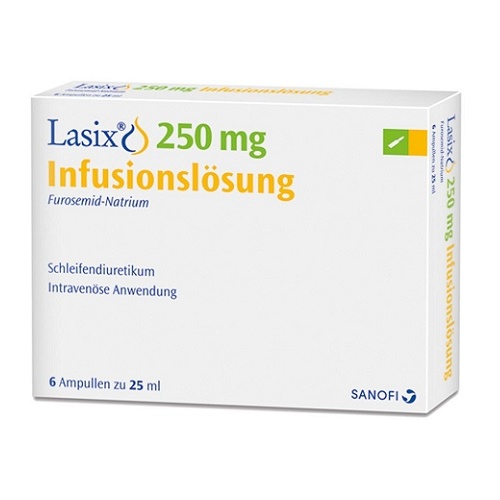
Lasix (furosemide) is a prescription medication used in the United States to remove excess fluid — most often to treat edema due to heart, kidney, or liver problems. The most important thing to know before starting Lasix: its powerful effect on fluid and electrolyte balance means the difference between help and harm is all about how it’s used. This is a medication that demands attention — both from your doctor and from you.
The Realities of Living with Edema — and Where Lasix Fits In
The first time your feet swell so much you can’t get your shoes on, or your breaths come shorter than you ever remember, the word “edema” might not even cross your mind. For many Americans, swelling isn’t just uncomfortable — it’s a signal that something deeper is off with the heart, kidneys, or liver. Edema can creep up gradually, a little more fluid here, a little puffiness there, until suddenly daily tasks become a struggle.
Lasix — the brand name for furosemide — has long been the go-to prescription for getting that extra fluid out. But few patients realize what’s really at stake when their doctor reaches for the prescription pad. It’s not just about peeing more. It’s about recalibrating your body’s balance, sometimes on a knife’s edge. The difference between waking up with less swelling and waking up dizzy, weak, or in the ER often comes down to how, when, and why Lasix is used.
- Edema
- Swelling caused by excess fluid trapped in the body’s tissues. Common in the feet, ankles, legs, or abdomen, and often linked to heart, kidney, or liver issues.
In the United States, the medical system both enables and complicates access. You need a prescription — but sometimes the urgency isn’t reflected in pharmacy wait times or insurance approvals. Lasix’s power is matched only by its requirement for care: you don’t just “take it,” you manage with it. That’s not always easy. But for many, it’s the first step toward regaining control over a body that suddenly feels unruly.
When Does Lasix Make the Difference? Stories from the Clinic
It’s three in the morning, and a patient sits in the ER with legs so swollen they look bruised. Breathing is a struggle. The cause? Sometimes years of heart failure, sometimes a kidney disorder that’s only just made itself known. In these moments, Lasix can feel like a miracle — fluid out, symptoms ease, the world softens around the edges.
Yet, not every case of edema calls for Lasix. Sometimes, the problem isn’t excess water alone. Edema can be a sign of low protein, certain medications, or even hormonal shifts. Clinical experience in the United States tells us: the best use of Lasix is targeted, not automatic. Used right, it prevents hospitalizations, brings relief, and buys time while the underlying issue is managed. Used wrong, it risks dehydration, kidney strain, and electrolyte chaos.
- Rapid-onset swelling (especially if linked to heart, kidney, or liver disease): Lasix is often the frontline choice.
- Mild, chronic swelling without other symptoms: Lasix may not be first-line, and lifestyle changes might be tried first.
- Swelling due to vein issues (like varicose veins): Lasix rarely helps and isn’t usually prescribed.
But outside the hospital, most patients take Lasix as a pill, managing their edema day by day. That’s where nuance matters. The right dose, at the right time, under the right conditions — this is the difference between lasting relief and a cycle of ups and downs.
How Lasix Actually Works for Edema — Beyond the Textbook
Lasix doesn’t just “flush out fluid” — it targets a specific segment of your kidneys, blocking the reabsorption of sodium and chloride in the loop of Henle. The result: not just water, but salt and other electrolytes are excreted rapidly. Swelling goes down, but so can potassium, sodium, and even your blood pressure.
Furosemide’s speed and power make it different from milder drugs. Effects start within an hour, often peaking within two, and can last for six or more hours. This rapid action is a blessing for acute symptoms but can be risky if changes happen too fast. Compared to thiazide diuretics, Lasix is more potent and works even when kidney function is impaired — one reason it’s a mainstay in heart and kidney failure.
But the story doesn’t stop at the kidneys. For patients with severe heart failure, Lasix can lower pressure in the lungs, making breathing easier. For those with cirrhosis, it drains fluid from the abdomen. Yet, what works in a clinical trial doesn’t always play out the same at home. That’s where the details of daily life — salt intake, other medicines, routine blood work — come into sharp focus.
- Loop Diuretic
- A class of diuretics that act on the loop of Henle in the kidney, causing powerful and rapid excretion of sodium, chloride, and water.
Lasix Versus the Alternatives: What the Comparison Really Looks Like
| Attribute | Lasix (Furosemide) | Hydrochlorothiazide | Spironolactone |
|---|---|---|---|
| Main Use | Edema from heart, kidney, liver conditions | Mild edema, hypertension | Edema in liver disease, heart failure (often combined with loop diuretic) |
| Mechanism | Potent loop diuretic — blocks sodium/chloride reabsorption | Thiazide diuretic — weaker, acts earlier in the nephron | Aldosterone antagonist — conserves potassium, works slowly |
| Onset (oral) | 30–60 minutes | 1–2 hours | Hours to days |
| Duration | 6+ hours | 6–12 hours | Long (days for full effect) |
| Effectiveness if kidney function is impaired | Often remains effective | Less effective | May require higher doses |
| Common Electrolyte Shifts | ↓ Potassium, ↓ Sodium | ↓ Potassium, ↓ Sodium | ↑ Potassium |
| Monitoring | Bloodwork at start, changes, and routinely | Bloodwork at start and periodically | More frequent for potassium and kidney function |
| Prescription status (U.S.) | Prescription only | Prescription only | Prescription only |
| Typical cost | Low as generic; variable as brand | Very low as generic | Low-moderate as generic |
Lasix’s claim to fame is its speed and strength. For anyone with significant fluid overload — especially with heart or kidney trouble — alternatives often can’t keep up, especially if kidney function is already slipping. Thiazides like hydrochlorothiazide are milder; they’re great for blood pressure and mild swelling but fall short when things get serious. Spironolactone acts through a different pathway and is slower, but it can be crucial for people needing to hold onto potassium or managing cirrhosis-related fluid. In the U.S., all require prescriptions, but cost is rarely the deciding factor: it’s about matching the clinical need to the right tool.
What Patients Get Wrong About Lasix — and How to Get It Right
“If some is good, more is better.” This is the most dangerous myth about Lasix. The temptation — to take an extra dose after a salty meal, or double up when swelling lingers — can land you in the hospital. Lasix is not a water pill to be used on a whim. It is a fine-tuned intervention, and every adjustment should be made with your physician’s guidance.
- Lasix’s effect varies day to day. Diet, other medications, your kidney function — all play a role.
- “More urine equals better outcome” is misleading. Some days, less urine is expected. It’s the overall pattern and your symptoms that matter.
- Electrolyte shifts can be silent but dangerous. You may feel fine until you suddenly don’t — routine labs are not optional extras.
- Taking Lasix late in the day often means sleepless nights running to the bathroom.
Knowledge is power. The better you understand how Lasix works for your body, the sooner you’ll spot problems — and the sooner you’ll get help if you need it.
Taking Lasix: Everything You Need to Know About Dosage, Timing, and Practical Issues
Dose isn’t determined by your age or weight alone. It’s a negotiation — between your underlying condition, your kidney function, your response, and your lab results. Most people start on a lower dose, sometimes as little as 20 mg once or twice daily, then titrate up as needed. Rapid increases, especially without lab monitoring, are a recipe for trouble.
| Indication | Starting Dose | Typical Dose Range | Maximum Dose (Daily) | Special Considerations |
|---|---|---|---|---|
| Edema (heart failure, chronic kidney disease, liver disease) | 20–40 mg once daily | 20–80 mg 1–2 times daily | 600 mg (rare cases, under close supervision) | Adjust based on response, labs, and underlying disease |
| Older adults | Lower starting dose | Adjust slowly | Dependent on kidney function | More sensitive to side effects |
| Children | 0.5–2 mg/kg/dose | Individualized | 6 mg/kg (rare, specialized settings) | Always supervised by pediatrician |
For most adults in the U.S., 20–80 mg once or twice a day is typical. Timing is crucial: mornings are best, allowing the effect to wear off by bedtime. Always take Lasix exactly as prescribed and never “catch up” on missed doses. If you’re using liquid Lasix or intravenous forms, this is almost always in a hospital or under direct clinical guidance.
Missed a dose? If it’s close to your next scheduled dose, skip it — don’t double up. If you’re unsure, call your healthcare provider or pharmacist for advice.
Which Side Effects Matter Most with Lasix — and When to Act
The side effects you read about in the package insert don’t tell the whole story. Some people breeze through years on Lasix with only the inconvenience of extra bathroom trips. Others run into dizziness, cramps, or worse — fainting, confusion, muscle weakness, or irregular heartbeat. What matters isn’t just what can happen, but how likely it is, how it feels, and what you should actually do if it happens.
Lasix’s most common effects are all about fluid and salt balance:
- Low potassium or sodium: can cause cramps, weakness, arrhythmias.
- Dehydration: dry mouth, dizziness, low blood pressure, especially when standing up quickly.
- Increased urination: obvious, but can disrupt sleep if taken late.
- Hearing changes: rare, but possible with very high doses or rapid IV use.
- Allergic reactions: rash, itching — rare but serious if accompanied by swelling or difficulty breathing.
Clinical Insight from doctor: “In practice, the biggest danger isn’t the rare reaction — it’s the slow, quiet drift into low potassium or sodium. Most patients don’t feel anything until they’re at risk. That’s why regular bloodwork and context — like a new medication, a bout of vomiting, or a heatwave — matter so much more than any one symptom.”
| Side Effect | How Common? | When to Contact Doctor |
|---|---|---|
| Low potassium (hypokalemia) | Common (10–25%) | Muscle weakness, cramps, palpitations, confusion |
| Low sodium (hyponatremia) | Less common (2–5%) | Mental changes, seizures, severe fatigue |
| Dehydration | Common | Dizziness, fainting, little or no urination |
| Hearing changes (ototoxicity) | Rare (<1%) | Hearing loss, ringing in ears — especially with high doses or IV use |
| Allergic reaction | Rare | Rash, swelling, difficulty breathing — call 911 |
If you feel lightheaded, confused, notice irregular heartbeats, swelling of lips or tongue, or have trouble breathing: seek medical help immediately. Anything less urgent — call your doctor’s office or pharmacist for guidance, but don’t stop Lasix without advice.
When Not to Take Lasix: Absolute and Relative Contraindications
- Absolute Contraindications
-
- Allergy to furosemide or sulfa drugs (rare, but possible cross-reaction).
- Severe electrolyte imbalance — your labs must be stable before using Lasix.
- No urine output (anuria) except in closely monitored settings.
- Relative Contraindications & Special Precautions
-
- Significant kidney or liver disease: Dosage must be tailored; risk of worsening function if not monitored.
- Gout or high uric acid levels: Lasix can trigger flares.
- Diabetes: Lasix can cause blood sugar to rise.
- Pregnant or breastfeeding: Use only if the benefits clearly outweigh the risks — discuss thoroughly with your doctor.
Every potential contraindication is a conversation — not a simple red light. Clinical judgment, lab monitoring, and sometimes a specialist’s input are needed to balance risks and benefits. Always let your healthcare team know your full medical history before starting Lasix.
Getting Lasix in the United States: Prescriptions, Pharmacies, and Paying for Your Medication
There’s no over-the-counter option for Lasix in the United States. It’s strictly prescription-only, regulated by the U.S. Food and Drug Administration (FDA). Most patients get started after an in-person or telehealth visit, with the prescription sent directly to a retail or mail-order pharmacy. Hospital patients may receive Lasix intravenously, but outpatient use is almost always oral.
- Refills are usually given for 30–90 days at a time, but regular follow-ups and labs are required for ongoing prescriptions.
- Out-of-pocket cost for generic furosemide is generally low ($5–$25 for a month’s supply), but prices can vary by pharmacy, insurance, and location.
- Medicare and most private insurers list furosemide on their formularies. Prior authorization is rarely required unless unusually high doses are prescribed.
- Assistance programs exist for those who can’t afford their medication — ask your provider or pharmacist about options.
Pharmacists are a key resource. They can counsel you on timing, interactions, and what to look out for. In the U.S., pharmacists also play a gatekeeping role: they’ll flag dangerous combinations (like NSAIDs or high-dose lithium) and may contact your prescriber if something looks off.
Frequently Asked Questions: Lasix — Real Questions from Patients
- How quickly should I expect Lasix to start working?
- Oral Lasix usually takes effect within 30 to 60 minutes, with peak effect at 1–2 hours. For most people, swelling or symptoms improve within a few hours, but sometimes it takes a few days to see noticeable changes in weight or comfort.
- What should I do if I miss a dose?
- Skip the missed dose if it’s almost time for your next one. Never double up. If you’re unsure, call your pharmacist or doctor for advice — don’t try to “catch up” by taking extra.
- Can I take Lasix with my blood pressure medications?
- Usually yes — many people take both. However, Lasix can lower your blood pressure, so your doctor may adjust other meds to avoid dizziness or fainting. Always tell your provider about all medications and monitor for low blood pressure symptoms.
- Will I need regular blood tests on Lasix?
- Yes. Bloodwork to check electrolytes and kidney function is essential, especially when starting, adjusting doses, or if there are any new symptoms. How often depends on your condition and stability — ask your provider for your specific schedule.
- Is Lasix safe if I have chronic kidney disease?
- Lasix can remain effective in patients with kidney impairment, which is one reason it’s widely used in these cases. Dose adjustments and close lab monitoring are critical. If you have advanced kidney disease, your doctor will individualize your regimen.
- What foods or drinks should I avoid while on Lasix?
- Be cautious with high-salt foods, as they can counteract Lasix’s effect. Discuss potassium-rich foods with your doctor, since Lasix can lower your potassium. Avoid licorice and limit alcohol, which may worsen dehydration or dizziness.
- Can Lasix cause weight loss?
- Lasix leads to loss of water weight, not fat. Rapid drops in weight are usually from fluid, which can come back if Lasix is stopped or not used correctly. Sustained weight loss should be discussed with your doctor to rule out other causes.
- How do I know if Lasix is working?
- Regular weight checks are helpful — many doctors recommend daily weigh-ins. Look for reduced swelling, easier breathing, or improved comfort. If symptoms worsen or you gain weight rapidly, contact your provider promptly.
- Are brand-name Lasix and generic furosemide the same?
- Yes, for most purposes. Generic furosemide is FDA-approved to be equivalent to brand Lasix in strength and effect. There may be differences in inactive ingredients, but the core medication is the same.
References & Further Reading
- U.S. Food and Drug Administration (FDA)
- 2022 AHA/ACC/HFSA Guideline for the Management of Heart Failure, American College of Cardiology
- Furosemide: Mayo Clinic Drug Information
- Merck Manual: Diuretics
- PubMed Database
- ClinicalTrials.gov
- Lasix (furosemide) Prescribing Information, Sanofi-Aventis U.S.