
- Home/
- Buy Prednisolone Without Prescription in the United States Online
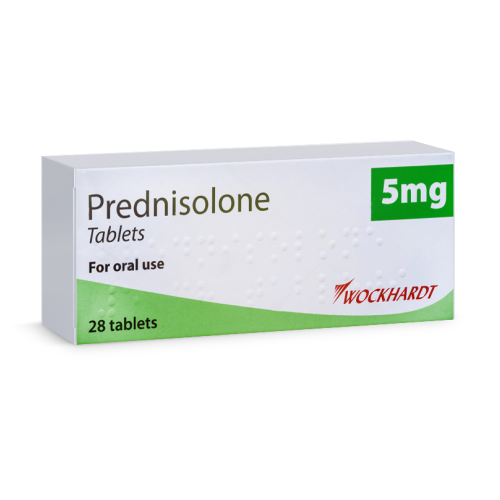
Can Prednisolone Be Obtained Without a Prescription in the United States?
Prednisolone is a prescription-only medication in the United States. It is not legally available over-the-counter, and you must consult a licensed healthcare professional to obtain it.
Key Takeaways: What Every Patient Should Know About Prednisolone in the United States
- Prednisolone is most suitable for individuals with moderate to severe inflammatory conditions who require rapid symptom control under medical supervision.
- Patients can typically experience meaningful symptom improvement within hours to days of starting therapy, depending on the underlying condition.
- Long-term use carries significant risks, including adrenal suppression and increased infection risk; regular medical monitoring is essential.
- A valid prescription from a licensed healthcare provider is required to obtain Prednisolone in the United States.
- The main benefit of Prednisolone is its potent anti-inflammatory and immunosuppressive effect, which can be life-saving in acute flare-ups.
- Seek immediate medical advice if you experience severe side effects such as vision changes, confusion, or signs of infection while taking Prednisolone.
How Does Prednisolone Work? Understanding the Science Behind Its Effects
Prednisolone is a synthetic glucocorticoid, a class of corticosteroid hormones that closely mimic the actions of natural cortisol produced by the adrenal glands. At the molecular level, Prednisolone binds to the intracellular glucocorticoid receptor (GR), which then translocates to the cell nucleus and modulates the transcription of hundreds of genes.
The drug exerts anti-inflammatory and immunosuppressive effects primarily by:
- Inhibiting the activity of phospholipase A2, reducing the release of arachidonic acid, and thereby decreasing the synthesis of pro-inflammatory mediators like prostaglandins and leukotrienes.
- Downregulating the expression of various cytokines, adhesion molecules, and enzymes involved in inflammation (such as interleukin-1, interleukin-6, and tumor necrosis factor-alpha).
- Reducing migration of immune cells (like neutrophils and lymphocytes) to sites of inflammation.
- Suppressing the normal immune response, which can be beneficial in autoimmune disorders but increases susceptibility to infection.
Simplified metaphor: If inflammation is like an out-of-control fire, Prednisolone acts as a powerful fire suppressant—quickly dampening the flames, but also making the area more vulnerable to outside threats (like infections) if used for too long.
Prednisolone does not require external triggers or specific meal timings to work, but its effectiveness and side effect profile can depend on dose, duration, and patient-specific factors.
Patients Often Expect Instant Results — The Reality Is More Nuanced
As a physician, I frequently encounter patients who anticipate Prednisolone will provide immediate and total relief from their symptoms, regardless of the condition being treated. In reality, the onset of action is indeed rapid for some acute symptoms (such as asthma exacerbations), but in chronic inflammatory diseases or when used to taper existing steroids, improvements may be more gradual and subtle. Many individuals judge treatment success solely by the reduction of pain or swelling, overlooking the importance of addressing root causes or monitoring for side effects. Another common oversight is not realizing the importance of tapering the dose—abruptly stopping Prednisolone can lead to adrenal crisis, even if the initial symptoms have resolved. Patients rarely ask about long-term consequences or interactions with vaccinations and other medications, which can impact safety. Setting realistic expectations and fostering open dialogue about these nuances is essential for optimal outcomes.
What Is the Recommended Dosage and How Should Prednisolone Be Taken?
Prednisolone dosage varies widely depending on the condition being treated, disease severity, patient age, and overall health. In the United States, standard dosing regimens are based on clinical guidelines and individual response.
Typical starting doses:
- Adults: 5 mg to 60 mg daily (or equivalent), usually given in a single morning dose or in divided doses for severe conditions.
- Children: Dose calculated by body weight (e.g., 0.14–2 mg/kg/day), always under specialist supervision.
For acute exacerbations of asthma, exacerbation of autoimmune diseases, or severe allergic reactions, higher initial doses may be used and then tapered.
Maximum daily dose: Generally, up to 80 mg/day in divided doses under close supervision, but this is highly individualized.
- Prednisolone tablets in the U.S. are available in strengths ranging from 1 mg to 50 mg.
- Some tablets can be split; however, confirm with your pharmacist as certain extended-release or enteric-coated forms must not be cut or crushed.
- In elderly patients, patients with liver or kidney impairment, or those at risk for steroid side effects, the lowest effective dose is preferred.
- Always follow your physician’s instructions for dose adjustments; never change your dose or stop abruptly without medical supervision, as this can lead to dangerous adrenal insufficiency.
Onset of effect: Symptom improvement may occur within hours for acute inflammatory conditions, but full effect for chronic diseases may take several days.
Duration of effect: Typically 12–36 hours, depending on formulation and individual metabolism.
How Does Food, Alcohol, and Lifestyle Affect Prednisolone’s Effectiveness?
Food: Prednisolone may be taken with or after food to reduce stomach irritation. High-fat meals do not significantly delay absorption, but taking the medication with food can help prevent gastrointestinal upset.
Alcohol: Consumption of alcohol is not strictly prohibited, but it is generally advised to limit or avoid alcohol while taking Prednisolone. Both can irritate the stomach lining and may increase risk of gastrointestinal bleeding, especially at higher steroid doses.
Grapefruit juice: There is no significant interaction between grapefruit juice and Prednisolone, unlike with some other corticosteroids.
Lifestyle factors: Patients should avoid live vaccinations during therapy, and maintain a healthy diet rich in calcium and vitamin D to reduce risk of bone thinning (osteoporosis).
Compatibility Check: Prednisolone with Other Medications or Products
| Type of Product | Can It Be Combined? | Consequences |
|---|---|---|
| NSAIDs (e.g., ibuprofen) | Caution | ↑ GI bleeding risk |
| Live vaccines | No | ↑ Infection risk |
| Warfarin | Caution | May affect clotting, monitor INR |
| Antidiabetic medications | Caution | ↑ Blood sugar |
| Calcium/vitamin D supplements | Yes | Recommended for bone health |
Who Should Avoid Prednisolone? Absolute and Relative Contraindications
Absolute contraindications (never use):
- Systemic fungal infections (risk of severe worsening).
- Known hypersensitivity to Prednisolone or excipients in the formulation.
- Receipt of live or attenuated vaccines during high-dose or prolonged corticosteroid therapy.
- Uncontrolled diabetes mellitus (can worsen blood sugar control).
- Active peptic ulcer disease or recent gastrointestinal bleeding (risk of perforation or bleeding).
- Severe osteoporosis (may accelerate bone loss).
- Congestive heart failure, hypertension (can cause fluid retention and worsen cardiac status).
- History of psychiatric disorders, especially steroid psychosis.
- Recent myocardial infarction (risk of cardiac wall rupture in rare cases—delay at least several weeks unless life-saving).
- Kidney or liver impairment (dose adjustment may be needed).
Prednisolone should only be prescribed after careful assessment by a healthcare provider, and regular monitoring is mandatory in these risk groups.
What Side Effects Are Most Common With Prednisolone?
Side effects with Prednisolone are both dose-dependent and duration-dependent. Some are very common, others rare but potentially serious.
-
Very common (>1 in 10):
- Increased appetite and weight gain
- Fluid retention and swelling
- Insomnia, mood swings, anxiety
- Elevated blood sugar (hyperglycemia)
- High blood pressure (hypertension)
-
Common (1 in 100 to 1 in 10):
- Indigestion, heartburn
- Acne or skin thinning
- Delayed wound healing
- Muscle weakness
- Easy bruising
-
Rare (1 in 1,000 to 1 in 100):
- Glaucoma, cataracts
- Menstrual irregularities
- Psychosis or severe mood disorders
- Severe allergic reactions
-
Very rare (<1 in 10,000):
- Avascular necrosis (bone death, especially of femoral head)
- Intestinal perforation without warning symptoms
- Adrenal crisis after abrupt discontinuation
Mechanism: The most frequent effects—such as weight gain and fluid retention—result from corticosteroid-induced changes in metabolism and salt balance. Mood changes are due to direct effects on the central nervous system.
What to do if side effects occur: Do not stop the medication abruptly. Contact your prescriber promptly for advice. Seek emergency care for severe reactions (e.g., vision changes, confusion, severe swelling, chest pain, or signs of infection).
Common Patient Mistakes That Undermine Prednisolone Therapy
- Stopping Prednisolone abruptly without tapering: This can cause adrenal crisis, resulting in fatigue, low blood pressure, and even collapse. Always follow your physician’s tapering schedule.
- Taking doses at inconsistent times: Skipping or varying dose timing can reduce efficacy and increase risk of side effects. Try to take Prednisolone at the same time each day, preferably in the morning.
- Failing to report new symptoms: Ignoring early signs of infection or vision changes can lead to delayed treatment of serious complications. Inform your doctor about any unusual or severe symptoms.
- Combining with over-the-counter medications without checking: NSAIDs and herbal supplements may interact, raising side effect risks. Always check with a pharmacist or doctor before adding new medications.
- Assuming all formulations are interchangeable: Switching between brands or formulations without medical guidance can alter absorption and efficacy.
- Not following dietary recommendations: Failing to maintain a healthy diet may accelerate bone loss or worsen blood sugar control during therapy.
How Does Prednisolone Compare to Other Anti-inflammatory Medications?
Prednisolone is often compared to other corticosteroids and non-steroidal anti-inflammatory drugs (NSAIDs) for inflammation. The table below provides a head-to-head comparison based on onset of action, duration, side effects, and cost.
| Drug Name | Onset of Action | Duration | Common Side Effects | Estimated Price (USD, per tablet) |
|---|---|---|---|---|
| Prednisolone | 6–24 hours | 12–36 hours | Weight gain, mood changes, hyperglycemia | $0.30–$2.00 |
| Prednisone | 6–24 hours (prodrug, needs conversion) | 12–36 hours | Similar to Prednisolone | $0.10–$1.20 |
| Methylprednisolone | 1–2 hours | 12–36 hours | Fluid retention, increased infection risk | $0.40–$2.50 |
| Ibuprofen (NSAID) | 30–60 min | 4–8 hours | GI upset, ulcers, renal effects | $0.05–$0.20 |
Bottom line: Prednisolone and prednisone have similar effectiveness and safety, but prednisone requires conversion in the liver (important in liver disease). NSAIDs are cheaper and suitable for mild inflammation, but not appropriate for severe or systemic disease.
Prednisolone Product Information: Technical Reference Table
| Parameter | Value |
|---|---|
| Active Ingredient | Prednisolone |
| Available Strengths | 1 mg, 5 mg, 10 mg, 20 mg, 50 mg |
| Formulations | Tablets, Oral Solution, Injectable |
| Storage Requirements | Room temperature (68–77°F), dry place |
| Half-life (T1/2) | 2–4 hours (biological effect up to 36 hours) |
| Bioavailability | > 80% orally |
| Prescription Required | Yes |
What is the Patient Journey for Getting Prednisolone in the United States?
- Step 1: Medical Consultation
Schedule a visit with your primary care provider, specialist, or use a licensed telehealth service. The doctor will assess your health, review your medical history, and determine if Prednisolone is appropriate. - Step 2: Prescription Issuance
If Prednisolone is indicated, your doctor will issue an electronic or paper prescription, specifying the dose and duration. - Step 3: Pharmacy Fulfillment
Present your prescription at a licensed pharmacy (either in-person or through a verified online platform). Pharmacists will verify the prescription and provide counseling on use, storage, and potential side effects. - Step 4: Ongoing Monitoring
During therapy, follow up regularly for laboratory monitoring and assessment of side effects. Your doctor may adjust the dosage based on your response and lab results. - Optional: Telemedicine Workflow
Many U.S. states allow telemedicine visits for prescription renewals. Ensure the provider and pharmacy are licensed in your state.
Questions Patients Often Ask doctor About Prednisolone Therapy
- How will I know if Prednisolone is working for my condition?
- In most cases, you should notice a reduction in swelling, pain, or other inflammatory symptoms within a few days. For some diseases, laboratory markers or imaging may be used to assess improvement. If symptoms persist or worsen, let me know promptly.
- Do I need regular monitoring or tests while on Prednisolone?
- Yes. We routinely monitor your blood pressure, blood sugar, and sometimes bone density or eye health, especially if treatment is prolonged. These precautions help us catch early signs of complications and adjust your regimen accordingly.
- What should I do if I feel much better—can I stop the medication early?
- Even if you feel improved, never stop Prednisolone abruptly on your own. The body’s natural steroid production can be suppressed with therapy, and sudden discontinuation risks adrenal insufficiency. We will develop a tapering plan together.
- Can Prednisolone be used long-term for chronic inflammatory disease?
- Long-term use is sometimes necessary, but we strive to use the lowest effective dose and shortest duration possible to minimize risks. Alternatives or steroid-sparing agents may be considered if ongoing therapy is needed.
- Are there special precautions for vaccinations during Prednisolone therapy?
- Yes—live vaccines should be avoided while taking moderate to high doses, as your immune response may be blunted. Inactivated vaccines are usually safe, but their effectiveness may be reduced. We’ll discuss your vaccination schedule in detail.
- Can I take OTC pain relievers or herbal supplements while on Prednisolone?
- Some OTC medications and herbal remedies can interact with Prednisolone and increase risk of side effects. Always check with me or your pharmacist before adding any new products.
- What symptoms should prompt me to contact you urgently?
- Fever, confusion, vision changes, severe abdominal pain, or unusual swelling are red flags and should be reported immediately. These could indicate serious side effects or complications requiring prompt intervention.
Pharmacokinetics and Metabolism: What Happens to Prednisolone in Your Body?
After oral administration, Prednisolone is absorbed rapidly from the gastrointestinal tract with a bioavailability of over 80%. Peak plasma concentrations are generally reached within 1–2 hours. The drug is primarily metabolized in the liver via hepatic enzymes (mainly CYP3A4) into inactive metabolites.
Elimination occurs primarily through the kidneys, with 20–30% excreted unchanged in urine. The plasma half-life is short (2–4 hours), but the biological effects last considerably longer (up to 36 hours), as gene transcription changes persist after the drug is cleared.
In patients with liver impairment, clearance may be prolonged. In those with kidney dysfunction, dose adjustments may be needed for prolonged therapy.
Prednisolone Use in Special Populations: What Should You Know?
- Elderly: Greater risk of osteoporosis, diabetes, mood changes. Use lowest effective dose and monitor closely.
- Pediatrics: May impact growth and development. Only under specialist guidance.
- Pregnancy: Use only if benefits outweigh risks. Can cause fetal effects at high doses.
- Breastfeeding: Prednisolone passes into breast milk but is considered relatively safe for short-term use at low-moderate doses. Individual assessment is needed.
- Diabetes: Can worsen glycemic control; frequent monitoring and medication adjustments may be required.
- Ability to drive: No direct impairment, but mood changes or vision effects can rarely occur. Use caution if you experience such symptoms.
- Fertility: No robust evidence of direct impairment, but untreated underlying disease or long-term high-dose use may have indirect effects.
Myth vs Reality: Common Misconceptions About Prednisolone Therapy
-
Myth: “Prednisolone is a cure for inflammation, not just a band-aid.”
Reality: Prednisolone controls symptoms and suppresses inflammation, but it does not cure the underlying disease. Ongoing management is usually required. -
Myth: “Once symptoms resolve, I can stop Prednisolone immediately.”
Reality: Abrupt discontinuation is dangerous. Always taper as directed by your doctor.
How Can Patients Identify a Legitimate Online Pharmacy for Prednisolone in the United States?
When purchasing Prednisolone online, use only U.S.-based, licensed pharmacies accredited by the National Association of Boards of Pharmacy (NABP) or similar regulatory bodies.
Key safety checks:
- Pharmacy requires a valid prescription and does not offer “no prescription” sales.
- Website displays the NABP VIPPS or Digital Pharmacy accreditation seal.
- Contact information, including a physical U.S. address and a licensed pharmacist, is clearly provided.
- Prices are consistent with U.S. market values—not dramatically discounted.
- The site is listed on the FDA’s BeSafeRx resource.
How to Distinguish Genuine Prednisolone from Counterfeit Products?
Original Prednisolone (both branded and generic) in the United States should come in sealed, tamper-evident packaging, with clear labeling including the manufacturer name, National Drug Code (NDC), batch/lot number, expiration date, and dosing information.
Check for:
- High-quality, uniform tablets (no crumbling, discoloration, or powdery residue).
- Consistent sizing, color, and imprinted codes or logos specific to the manufacturer (e.g., “PDN 5” for a 5 mg tablet).
- Legible instructions and labeling in English, with FDA-required information.
- For some brands, a hologram, QR code, or scratch-off security feature for authenticity verification.
Generics: FDA-approved generic Prednisolone must meet the same quality and efficacy standards as brand-name products. Main differences are non-active ingredients (excipients), which can rarely cause allergic reactions in sensitive individuals. Generics are typically significantly less expensive ($0.30–$0.80/tablet) and equally effective. If unsure, consult your pharmacist for verification.
Warning: Unusually low prices or foreign-language packaging are red flags for counterfeit or gray-market products. When in doubt, contact the FDA’s MedWatch program.
Quality Check: What Should Prednisolone Look Like?
In the United States, original Prednisolone tablets are typically:
- White to off-white, round or oval, film-coated tablets.
- Imprinted with the dosage number and manufacturer’s logo or code (e.g., “54 118” for one generic 5 mg tablet).
- Packed in blister strips or prescription bottles with tamper-evident seals.
- Accompanied by a pharmacy label with your name, the prescriber’s name, and dosing instructions.
- Some generics may vary slightly in shape or color but should never appear chipped, powdery, or with uneven coloring.
When in doubt, scan any QR code on the packaging (if present) or consult your pharmacist to verify authenticity.
Empathy and Psychological Support: You’re Not Alone
Inflammatory and autoimmune conditions are common, and many people struggle with the decision to start steroid therapy. Remember that you are not alone—millions manage these conditions successfully every year. If you feel anxious about your diagnosis or treatment, consider discussing your concerns with a counselor, patient support group, or your healthcare provider.
What Should I Do If I Take Too Much Prednisolone?
- Stop taking more doses immediately.
- Call your healthcare provider or local poison control center (1-800-222-1222) for guidance.
- If you develop severe symptoms (confusion, shortness of breath, rapid heartbeat, sudden vision loss, or collapse), call 911 or seek emergency care without delay.
- Provide the medical team with details about the dose and time of ingestion.
Do not try to induce vomiting or “flush” the medication from your system unless instructed by a medical professional.
Clinical Assessment by doctor: Who Is Most Likely to Benefit from Prednisolone, and When Should Alternatives Be Considered?
In my clinical judgment, Prednisolone is most beneficial for patients experiencing moderate to severe acute exacerbations of inflammatory or autoimmune diseases, such as asthma, rheumatoid arthritis, lupus flares, or severe allergic reactions. It’s also critical in managing certain life-threatening conditions (e.g., acute adrenal insufficiency or severe inflammatory bowel disease). For these groups, the benefits of rapid control of inflammation and immune response typically outweigh the risks.
However, Prednisolone is not the ideal choice for those with a history of poorly controlled diabetes, severe osteoporosis, or chronic uncontrolled hypertension due to increased risk of side effects. In patients requiring long-term therapy, steroid-sparing agents or biologics may be preferable to reduce cumulative corticosteroid exposure. I consider Prednisolone as a bridge therapy or for short-term use whenever possible. Reassessment of the patient’s disease and risk factors is essential at every visit, and therapy should be adjusted or discontinued as soon as it is clinically safe to do so.
Frequently Asked Questions About Prednisolone in the United States
- Is Prednisolone effective for all types of inflammation?
- Prednisolone is highly effective for many inflammatory and autoimmune conditions, but it is not suitable for every type of inflammation (e.g., certain infections or mild localized swelling). Your doctor will determine if it’s the right choice for your specific diagnosis.
- What is the usual starting dose for Prednisolone?
- Doses vary widely—adults may start at 5–60 mg daily depending on the condition. Always follow your doctor’s instructions and never adjust your dose without medical advice.
- What are the most serious risks of taking Prednisolone?
- The most significant risks include adrenal suppression, increased infection risk, bone loss, and psychiatric effects. Regular monitoring helps catch complications early.
- Can I get Prednisolone without a prescription in the U.S.?
- No. Prednisolone is a prescription medication in the United States, and it is illegal and unsafe to obtain it without a doctor’s prescription.
- How much does Prednisolone cost in the U.S.?
- Generic Prednisolone typically costs between $0.30 and $2.00 per tablet, depending on strength and pharmacy. Brand-name versions are more expensive. Insurance copays may reduce out-of-pocket costs.
- Can Prednisolone be delivered to my home?
- Yes, if prescribed, many U.S. pharmacies and accredited online services (with proper prescription verification) can deliver Prednisolone to your home.
- What foods or drinks should I avoid while taking Prednisolone?
- Avoid excess salt, high-sugar foods, and alcohol to lower the risk of high blood pressure, high blood sugar, and stomach irritation. No special restrictions with grapefruit juice, but maintain a balanced, calcium-rich diet.
- Is it safe to use Prednisolone with other prescription medications?
- Some medications interact with Prednisolone (such as certain blood thinners, NSAIDs, and diabetes medications). Always inform your healthcare provider about all medicines and supplements you’re taking.
- How long can I stay on Prednisolone?
- Duration depends on your condition and response. Short courses (days to weeks) are common, but long-term use requires close supervision and regular monitoring for side effects.
- What should I do if I miss a dose?
- If you miss a dose, take it as soon as you remember unless it’s nearly time for your next scheduled dose. Do not double up. Contact your doctor for guidance on missed doses, especially if you’re tapering.
References
- U.S. Food and Drug Administration (FDA), “Prednisolone Label Information,” Accessed June 2026. https://www.fda.gov/drugs
- National Institutes of Health, “Prednisolone: MedlinePlus Drug Information,” Accessed June 2026. https://medlineplus.gov/druginfo/meds/a682795.html
- Mayo Clinic, “Prednisolone (Oral Route),” Accessed June 2026. https://www.mayoclinic.org/drugs-supplements/prednisolone-oral-route/description/drg-20066920
- PubMed, “Prednisolone for inflammatory diseases: 2024 Review,” Accessed June 2026. https://pubmed.ncbi.nlm.nih.gov
- American College of Rheumatology, “2026 Guideline for Glucocorticoid Use in Rheumatic Diseases,” Accessed June 2026. https://www.rheumatology.org
- National Association of Boards of Pharmacy, “Accredited Digital Pharmacies,” Accessed June 2026. https://nabp.pharmacy
- U.S. Centers for Disease Control and Prevention (CDC), “Safe Medication Use,” Accessed June 2026. https://www.cdc.gov/medicationsafety/