
- الرئيسية/
- Buy Antabuse at Low Price in the United States Online
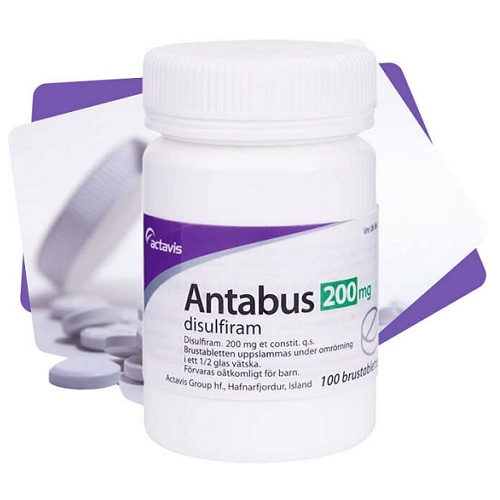
Table of Contents
- Can Antabuse Be Purchased Without a Prescription in the United States?
- Key Facts About Antabuse (Disulfiram) — Summary
- How Does Antabuse Work? Scientific and Simple Explanations
- Expert Commentary from doctor
- How Should Antabuse Be Taken? Dosage, Timing, and Duration
- What Should You Know About Food, Alcohol, and Lifestyle Interactions?
- Who Should NOT Take Antabuse? Absolute and Relative Contraindications
- What Side Effects Are Most Common With Antabuse?
- Common Patient Mistakes Observed by doctor
- How Does Antabuse Compare to Alternatives? (Naltrexone, Acamprosate)
- Antabuse Key Characteristics — Quick Reference Table
- Compatibility Check: Antabuse and Other Common Medications/Products
- How to Obtain Antabuse Legally in the United States: Step-by-Step Instructions
- Legal Guide: Prescription, Online Availability, and Risks in the U.S.
- How to Identify Genuine Antabuse vs Counterfeits and Generics
- Pharmacokinetics: How Is Antabuse Processed and Eliminated?
- Special Considerations: Elderly, Liver/Kidney Issues, Pregnancy, Driving
- A Note on Psychological Support and Stigma
- What To Do in Case of Antabuse Overdose?
- Professional Opinion of doctor
- Questions Frequently Asked to doctor
- Frequently Asked Questions (FAQ) About Antabuse
- Sources / References
Can Antabuse Be Purchased Without a Prescription in the United States?
No, Antabuse (disulfiram) is a prescription-only medication in the United States. It is illegal and potentially unsafe to obtain it without a valid physician prescription. Purchasing Antabuse without a prescription from any source, including online pharmacies, violates FDA regulations and exposes you to significant legal and health risks.
Key Facts About Antabuse (Disulfiram) — Summary
| Parameter | Details (2026, U.S.) |
|---|---|
| Active Ingredient | Disulfiram |
| Approved Use | Alcohol use disorder (AUD), alcohol dependence |
| Prescription Requirement | Yes (Rx only) |
| Onset of Effect | Within 1–2 hours (sensitization to alcohol) |
| Main Contraindication | Severe heart, liver, or psychiatric disorders |
| Typical Starting Dose | 250 mg once daily |
| Peak Effect / Duration | 12–24 hours / 1–2 weeks (after last dose) |
| Average U.S. Price (2026) | $25–$80 per month (generic) |
| Insurance Coverage | Often covered for AUD under major plans |
| Alcohol Use | Strictly prohibited while taking |
Bottom line: Antabuse is a prescription-only medication designed to help individuals with alcohol dependence maintain abstinence. Its use must be supervised by a qualified healthcare provider.
How Does Antabuse Work? Scientific and Simple Explanations
Antabuse (disulfiram) works by irreversibly inhibiting the enzyme aldehyde dehydrogenase (ALDH) in the liver. Normally, when alcohol (ethanol) is consumed, it is first converted to acetaldehyde by alcohol dehydrogenase, and then rapidly metabolized to harmless acetic acid by ALDH. Disulfiram blocks this second step, leading to a rapid buildup of acetaldehyde in the blood if alcohol is ingested.
This accumulation of acetaldehyde results in an extremely unpleasant reaction, known as the disulfiram-ethanol reaction. Symptoms include facial flushing, throbbing headache, difficulty breathing, nausea, vomiting, palpitations, hypotension, and sometimes life-threatening complications.
Simple Metaphor:Think of Antabuse as a strict “bodyguard” that stands at the door, refusing to let your body get rid of toxic byproducts of alcohol. If you try to drink, you get a warning signal (the disulfiram-ethanol reaction) that is so unpleasant, you’ll want to avoid alcohol entirely.Triggers and Effectiveness:
- Antabuse only works if you ingest alcohol during treatment. Without alcohol, it has almost no noticeable effect.
- The deterrent effect is psychological and physiological: knowing the consequences makes most people avoid drinking.
- Disulfiram is not a cure for alcohol dependence, but a support tool to help maintain abstinence.
Myth: Antabuse works instantly on cravings.
Reality: Antabuse does not reduce cravings for alcohol. It works as a deterrent by causing severe symptoms if alcohol is consumed.
Expert Commentary from doctor
In my clinical practice, I often see patients and families misunderstand the role of Antabuse. Many hope it will “erase” craving, but that’s not its function. The key to successful Antabuse therapy is absolute honesty about alcohol use and strict avoidance of hidden alcohol in foods, medicines, or hygiene products. I advise patients to keep a written list of items containing alcohol and to discuss any new medications or products with their provider. A major barrier to effectiveness is missed doses or stopping the medication without telling your healthcare team. Also, side effects like drowsiness or metallic taste may cause early discontinuation—talk to your doctor before making changes. Long-term success with Antabuse almost always involves counseling, support groups, and hands-on follow-up, not just the pill itself.
How Should Antabuse Be Taken? Dosage, Timing, and Duration
- Initial Dose: Standard adult starting dose is 250 mg once daily (tablet form, taken in the morning).
- Maximum Dose: Do not exceed 500 mg per day. Doses above 500 mg are not recommended due to increased risk of side effects (FDA).
- Administration: Take with or without food. Swallow tablet whole; splitting is possible for dose adjustment, but only under physician guidance.
- Onset: Sensitization to alcohol usually occurs in 1–2 hours and can last up to 2 weeks after stopping disulfiram.
- Duration: Therapy duration is individualized. Many patients use Antabuse for several months to years, alongside behavioral therapy or counseling.
- Special Populations: For elderly or those with mild liver/kidney impairment, a lower starting dose (e.g., 125 mg daily) may be recommended.
Do not start Antabuse until at least 12 hours after your last alcoholic drink. Taking it sooner increases risk of severe reactions.
What Should You Know About Food, Alcohol, and Lifestyle Interactions?
- Alcohol:
- Strictly prohibited. Even small amounts (as little as 7–15 mL ethanol) can trigger a severe reaction. This includes alcohol in sauces, desserts, cough syrups, and topical products.
- Food:
- Normal meals do not affect absorption significantly. High-fat meals may delay the onset of effect by up to 30–60 minutes, but do not reduce the effectiveness.
- Grapefruit Juice:
- No clinically significant interaction with disulfiram noted in current studies, but always check with your provider.
- Other Household Products:
- Beware of alcohol in aftershaves, mouthwashes, hand sanitizers, and some cleaning agents. Skin absorption can be enough to cause a reaction.
Who Should NOT Take Antabuse? Absolute and Relative Contraindications
Absolute Contraindications (Never Use)
- Severe cardiac disease (e.g., recent myocardial infarction, coronary artery disease with unstable angina, heart failure).
- Severe liver disease (e.g., cirrhosis, active hepatitis; Antabuse is processed in the liver and can worsen damage).
- Psychotic disorders (current or history of psychosis, due to risk of worsening symptoms).
- Known hypersensitivity to disulfiram or excipients.
- Concurrent use of metronidazole or paraldehyde (risk of severe interactions).
- Pregnancy and breastfeeding (not recommended unless benefits outweigh risks).
Relative Contraindications (Use With Caution)
- Moderate hepatic or renal impairment.
- History of epilepsy or seizures.
- Diabetes mellitus (risk of hypoglycemia with vomiting reactions).
- Elderly or those with cognitive impairment (risk of unintentional alcohol ingestion).
- Asthma or pulmonary disease (alcohol reaction may cause respiratory distress).
- Use of anticoagulants (disulfiram may increase INR with warfarin).
After a major cardiovascular event (like a heart attack), Antabuse may only be considered with close medical supervision and with a waiting period of at least 3–6 months, per clinical guidelines (PubMed).
What Side Effects Are Most Common With Antabuse?
| Frequency | Side Effect | Explanation/Mechanism |
|---|---|---|
| Very Common (>1/10) |
Fatigue, drowsiness, skin rash, metallic taste | Nonspecific central or peripheral effects of disulfiram |
| Common (1/10–1/100) |
Headache, acne, gastrointestinal upset (nausea, vomiting) | Direct drug effect or secondary to stress |
| Rare (1/1000–1/10,000) |
Peripheral neuropathy, hepatitis, optic neuritis, psychosis | Potential neurotoxic or hepatotoxic immune response |
| Very Rare (<1> | Severe liver failure, sudden cardiac events, death (when combined with alcohol) | Direct toxicity, or severe disulfiram-ethanol reaction |
If you experience yellowing of the skin/eyes, severe abdominal pain, dark urine, confusion, or breathing difficulties, stop Antabuse immediately and seek emergency care.
Most mild side effects improve with time. Discuss any persistent or bothersome symptoms with your healthcare provider.
Common Patient Mistakes Observed by doctor
- Not Disclosing All Alcohol Sources: Patients often think only drinks count, but even using mouthwash or aftershave with alcohol can trigger reactions. Solution: Review all products at home with your pharmacist or provider.
- Stopping Medication Abruptly: Quitting Antabuse without medical advice increases risk of relapse. Solution: Always discuss changes with your doctor first.
- Missing Doses: Skipping doses may reduce deterrent effect and lead to unintentional alcohol use. Solution: Use reminders, pill boxes, or support from family/friends.
- Taking Antabuse Too Soon After Drinking: Doing so can trigger a dangerous reaction. Solution: Wait at least 12 hours after your last drink; longer if heavy use.
- Not Using Adjunct Support: Relying on Antabuse alone without counseling or behavioral therapy limits long-term success. Solution: Engage in support groups, therapy, or structured programs.
- Ignoring Side Effects: Continuing Antabuse despite severe side effects can cause harm. Solution: Report new or severe symptoms promptly to your provider.
How Does Antabuse Compare to Alternatives? (Naltrexone, Acamprosate)
| Parameter | Antabuse (Disulfiram) | Naltrexone (Revia, Vivitrol) | Acamprosate (Campral) |
|---|---|---|---|
| Mechanism | ALDH inhibition (deterrent) | Opioid receptor antagonist (reduces pleasure & craving) | Modulates glutamate (reduces craving/withdrawal) |
| Effect Onset | 1–2 hours | 1–2 hours (oral), days (injectable) | 5–8 days (steady state) |
| Abstinence Requirement | Yes, before starting | No (but not effective if actively drinking) | No (some benefit even if recently drinking) |
| Side Effects | Rash, drowsiness, liver toxicity, severe alcohol reaction | Nausea, headache, liver toxicity, mood changes | Diarrhea, flatulence, insomnia |
| Cost (Approx. U.S. 2026) | $25–$80/month (generic) | $30–$120/month (oral), $1200/injection (monthly) | $60–$180/month |
| Main Limitation | Requires strict abstinence; severe reaction risk | Liver risk; not for opioid users; not a deterrent | Ineffective in severe liver/renal disease |
Bottom line: Antabuse is best for highly motivated, abstinent individuals with reliable support. Naltrexone is preferred for those with strong cravings or “slips.” Acamprosate is favored for maintaining abstinence but requires multiple daily dosing. All are prescription-only in the U.S.
Antabuse Key Characteristics — Quick Reference Table
| Active Ingredient | Disulfiram |
| Formulation | Tablet, 250 mg (most common US) |
| Bioavailability | ~80% orally |
| Metabolism | Liver (hepatically metabolized) |
| Elimination Half-life | ~60–120 hours (variable) |
| Duration of Alcohol Sensitization | Up to 14 days after last dose |
| Typical Adult Dose | 250 mg daily |
| Insurance Coverage | Medicare, Medicaid, most private plans |
Compatibility Check: Antabuse and Other Common Medications/Products
| Product/Drug | Can It Be Combined? | Possible Outcome |
|---|---|---|
| Alcohol (any source) | NO | Severe, potentially fatal reaction |
| Metronidazole | NO | Psychosis, confusion |
| Warfarin (Coumadin) | Use with caution | Increased INR, bleeding risk |
| Antidepressants (SSRIs) | Usually yes | Monitor for CNS effects |
| OTC pain relievers (acetaminophen, ibuprofen) | Yes, if not contraindicated | No significant interaction |
| Grapefruit juice | Yes | No known interaction |
| Cough syrups (with alcohol) | NO | Disulfiram-ethanol reaction |
Always check with your prescribing doctor or pharmacist before combining medications.
How to Obtain Antabuse Legally in the United States: Step-by-Step Instructions
- Consult a Specialist: Schedule a visit with a primary care doctor, psychiatrist, or addiction specialist in your city (e.g., New York, Los Angeles, Houston).
- Assessment: The physician will assess your medical history, rule out contraindications, and may order blood work (liver function, kidney function, etc.).
- Receive Prescription: If appropriate, you’ll receive a written or electronic prescription for Antabuse.
- Choose a Pharmacy: Fill your prescription at a local U.S. pharmacy (e.g., CVS, Walgreens) or a verified online pharmacy with a U.S. license. Some telehealth platforms (such as Teladoc, Amwell) can prescribe Antabuse after a video consultation.
- Begin Therapy: Follow your doctor’s instructions carefully. Do not start if you have consumed alcohol in the last 12 hours.
- Follow Up: Regular check-ins (monthly or quarterly) are recommended to monitor for side effects and ensure continued support.
Legal Guide: Prescription, Online Availability, and Risks in the U.S.
- Prescription Status: Antabuse is regulated by the U.S. Food and Drug Administration (FDA) as a prescription drug. Only a licensed medical provider in the U.S. can prescribe it.
- Online Pharmacies: Some legitimate online pharmacies and telemedicine platforms can dispense Antabuse—but only with a valid prescription.
- Risks of Illegal Purchase: Ordering without a prescription is illegal and dangerous; it may result in customs seizure, fines, or exposure to counterfeit or contaminated products.
- Verification Signs: Always look for the National Association of Boards of Pharmacy (NABP) “VIPPS” seal (nabp.pharmacy) on legitimate pharmacy websites.
- Insurance: Most U.S. insurance plans (including Medicaid and Medicare) cover Antabuse for alcohol use disorder.
In short: A prescription is not just a legal requirement—it’s a layer of safety to protect your health.
How to Identify Genuine Antabuse vs Counterfeits and Generics
Authenticity Checklist for U.S. Antabuse Tablets:
- Packaging: Sealed blister packs or bottles; U.S. labeling with NDC number and manufacturer details (common brand in U.S.: T.E.A. Pharma, Hikma Pharmaceuticals).
- Tablet Appearance: Typically round, white, scored, debossed with “D 250” or similar. Surface should be clean, not crumbly.
- Security Features: Check for tamper-evident seals and, if present, QR codes or holograms (increasingly common by 2026).
- Unusually Low Price: If a source offers Antabuse for less than $15/month, suspect counterfeit or expired products.
- Generics: In the U.S., generic disulfiram is widely available, FDA-approved, and typically as safe and effective as the brand name. Generics may contain different inactive ingredients—always review for allergies.
Pharmacokinetics: How Is Antabuse Processed and Eliminated?
- Absorption: Disulfiram is well-absorbed orally (bioavailability ~80%).
- Metabolism: Broken down by the liver into diethyldithiocarbamate and other metabolites.
- Elimination: Primarily via urine (as metabolites) and lungs (as carbon disulfide, causing possible breath odor).
- Half-life: Highly variable, ranging from 60 to 120 hours. Alcohol-sensitizing effects persist for up to 14 days after last dose.
- Clinical Implication: If you stop Antabuse, you must avoid alcohol for at least 2 weeks to ensure full clearance.
Special Considerations: Elderly, Liver/Kidney Issues, Pregnancy, Driving
- Elderly: Start at lowest possible dose (e.g., 125 mg daily). Monitor for confusion, falls.
- Liver Disease: Use is contraindicated in severe cases; mild disease requires close monitoring (frequent liver tests).
- Kidney Disease: Use with caution; dose adjustment may be necessary.
- Pregnancy/Breastfeeding: Not recommended except in extreme cases; potential teratogenicity; discuss alternatives.
- Driving/Machinery: Antabuse can cause drowsiness. Do not drive or operate heavy machinery until you know your reaction to the drug.
- Fertility: No clinically significant effect on fertility reported as of 2026.
- Children/Adolescents: Safety and efficacy not established.
A Note on Psychological Support and Stigma
Alcohol use disorder is a medical condition, not a personal failure. Millions of Americans seek help every year. Combining Antabuse with counseling, peer support, or behavioral therapy significantly increases your chance of long-term recovery. If you feel overwhelmed, talk openly with your provider or support group—recovery is a team effort.
What To Do in Case of Antabuse Overdose?
- Stop taking the medication immediately.
- Call 911 or emergency services.
- Be ready to provide information: your dose, time of ingestion, symptoms, and any alcohol use.
- Do NOT induce vomiting unless instructed by poison control (1-800-222-1222).
- Hospital monitoring may be required for cardiac, liver, or neurological symptoms.
Symptoms of overdose may include: confusion, unsteadiness, deep drowsiness, seizures, psychosis, or liver failure.
Professional Opinion of doctor
In my experience, Antabuse is most effective for individuals who are highly motivated to maintain sobriety and have a strong support system. It’s not a stand-alone solution—success comes when it’s combined with counseling and regular follow-up. I caution patients: the deterrent effect only works if there’s absolute adherence and zero exposure to hidden alcohol sources. For those with severe liver or cardiac issues, or a history of psychiatric disorders, I prefer alternatives like naltrexone or acamprosate. Sometimes, patients are better suited to non-pharmacological interventions, especially if there’s strong willpower and environmental support. Ultimately, Antabuse is a valuable tool, but only when used with full understanding, careful supervision, and realistic expectations about its capabilities and limitations.
Questions Frequently Asked to doctor
- Q: What happens if I accidentally consume alcohol while on Antabuse?
- A: Even small amounts can cause severe symptoms—flushing, nausea, palpitations, difficulty breathing, and in rare cases, dangerous drops in blood pressure. If you experience severe reactions, seek medical attention immediately.
- Q: How long should I stay on Antabuse?
- A: The duration is personalized. Some patients benefit from a few months; others may need a year or more. I reassess the plan with each patient every few months.
- Q: Can I take Antabuse if I have liver problems?
- A: Only if you have mild, stable liver disease and under close monitoring. Severe liver damage is a contraindication—there are safer options.
- Q: What should I do if I miss a dose?
- A: Take it as soon as you remember, unless it’s almost time for the next dose. Do not double up. Missing more than one dose may reduce effectiveness—notify your provider.
- Q: Can Antabuse interact with painkillers or antidepressants?
- A: Most painkillers and antidepressants are safe, but always tell your doctor about all medications. Watch out for hidden alcohol in cough syrups or certain liquid formulations.
- Q: Is it safe to use Antabuse in older adults?
- A: Yes, with careful dose adjustment and close monitoring for confusion, falls, or drug interactions. I recommend starting at the lowest dose in seniors.
- Q: Can Antabuse affect my mood or mental health?
- A: Rarely, it may worsen underlying depression or psychosis. Discuss any mental health history with your provider before starting.
Frequently Asked Questions (FAQ) About Antabuse
Can Antabuse be used every day?
Yes, Antabuse is typically taken once daily for effective alcohol deterrence.
Do I need a prescription for Antabuse in the United States?
Yes, it is illegal and unsafe to obtain Antabuse without a prescription.
What should I do if I experience side effects?
Report any side effects to your doctor promptly. Stop taking the medication and seek emergency care for severe symptoms such as jaundice or severe allergic reactions.
How long after stopping Antabuse can I safely drink alcohol?
You must wait at least 14 days, as the sensitizing effect can persist for up to 2 weeks.
Can I order Antabuse from an online pharmacy?
Only if you have a valid U.S. prescription and the pharmacy is licensed. Avoid sites that do not require a prescription.
Is Antabuse covered by insurance?
Most U.S. insurance plans, including Medicare and Medicaid, cover Antabuse for alcohol dependence.
Are generics as effective as brand-name Antabuse?
Yes, FDA-approved generics contain the same active ingredient and are considered equally effective.
Sources / References
- U.S. Food and Drug Administration (FDA), FDA Drug Database
- National Institute on Alcohol Abuse and Alcoholism (NIAAA), NIAAA
- Mayo Clinic — Disulfiram (Oral Route), Mayo Clinic Disulfiram
- PubMed — Current Reviews and Clinical Studies, PubMed
- American Society of Addiction Medicine (ASAM), ASAM
- National Association of Boards of Pharmacy (NABP), NABP
- Substance Abuse and Mental Health Services Administration (SAMHSA), SAMHSA
- ClinicalTrials.gov — Current Disulfiram Trials, ClinicalTrials.gov
Reviewed and updated: June 2026