
- الرئيسية/
- Buy Zithromax at Low Price in the United States Online
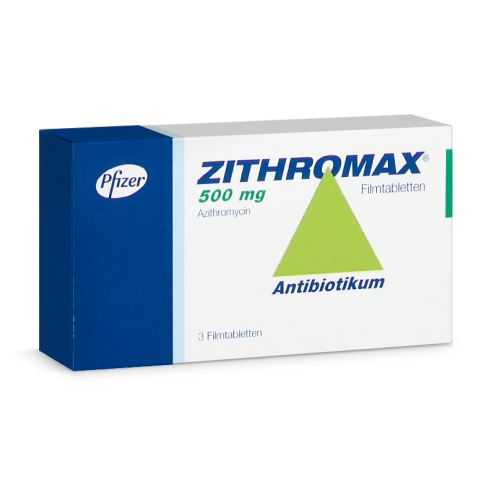
| Brand name | Zithromax |
|---|---|
| Main compound | Azithromycin |
| Intended use | Bacterial infections (antibiotic) |
| Strengths offered | 250 mg, 500 mg tablets; oral suspension (100 mg/5 mL, 200 mg/5 mL) |
| How soon it acts | Improvements typically seen within 24–48 hours |
| Effect duration | Continues working for up to 5–7 days after final dose |
| How to take it | Usually once daily for 3–5 days, as directed |
| Prescription required in US? | Yes, mandatory by FDA regulation |
| Estimated US price | $15–$40 for standard 5-day course (generic), not including consultation |
Zithromax for bacterial infections: what to know before you buy in the United States
Zithromax, containing azithromycin, is a widely used antibiotic for treating a range of bacterial infections and is legally available with a prescription in the United States. It is approved by the U.S. Food and Drug Administration (FDA) and is commonly prescribed for infections of the respiratory tract, skin, ears, and certain sexually transmitted diseases. If you’ve been advised to consider antibiotics, understanding when and how Zithromax fits your needs is essential before making a decision.
How common are bacterial infections — and can they be treated?
Bacterial infections are among the most frequent causes of illness globally and in the United States. According to the Centers for Disease Control and Prevention (CDC), more than 2.8 million antibiotic-resistant infections occur each year in the U.S. alone, illustrating both the prevalence and the challenges of effective treatment (CDC, 2023). Respiratory tract infections, ear infections, and skin infections are especially widespread, affecting millions annually. The good news is that, for the majority of routine bacterial infections, effective treatments like azithromycin (Zithromax) are available, and most people recover fully when the right antibiotic is used promptly and correctly.
How does Zithromax actually work in the body?
Azithromycin, the active ingredient in Zithromax, interferes with the ability of bacteria to produce essential proteins. Without these proteins, bacteria cannot grow or multiply, allowing your immune system to eliminate the infection. For the patient, this mechanism translates into the gradual relief of symptoms — such as reduced fever, less pain or discharge, and improved energy — often within one to two days of starting therapy. Zithromax is especially valued because it accumulates in infected tissues, maintaining effective levels even after the last dose, which means shorter treatment courses compared to some other antibiotics. This property reduces pill burden and can make it easier to complete the prescribed therapy, which is crucial for recovery and for minimizing the risk of resistance.
Does Zithromax suit my situation? Application scenarios
| Your situation | Is Zithromax appropriate? | Why or why not |
|---|---|---|
| You have been diagnosed with a respiratory tract infection (such as bronchitis or community-acquired pneumonia), and your doctor suspects or confirms a bacterial cause. | Often suitable | Zithromax has proven effectiveness for these infections, particularly when caused by bacteria like Streptococcus pneumoniae or Haemophilus influenzae. |
| You have a known allergy to penicillin or other beta-lactam antibiotics and need treatment for an ear, throat, or skin infection. | Frequently recommended | Zithromax is structurally unrelated to penicillins, making it a common alternative in allergic patients. |
| You have a viral infection (such as the common cold, flu, or COVID-19), or your infection is not confirmed as bacterial. | Not appropriate | Zithromax is ineffective against viruses and should not be used unless a bacterial infection is confirmed or strongly suspected, as unnecessary antibiotic use increases resistance. |
| You are pregnant or breastfeeding and need an antibiotic. | Sometimes appropriate | Azithromycin is generally considered safe in pregnancy when prescribed by a physician, but individual assessment is important. |
| You have significant liver problems or a history of jaundice related to prior azithromycin use. | Not recommended | Liver impairment or past reactions to azithromycin increase the risk of harmful side effects. |
This table covers typical real-life scenarios. If you do not see your situation, or if you are unsure whether your infection is bacterial, a consultation with your healthcare provider is necessary for safe and effective treatment selection.
Practical guide to using Zithromax in everyday life
- When to start: Begin Zithromax as soon as your doctor prescribes it, ideally at the same time each day to maintain steady drug levels.
- How to take: Tablets should be swallowed whole with water, with or without food. The oral suspension should be shaken well and measured with the provided device.
- If you miss a dose: Take it as soon as you remember, unless it is almost time for your next dose. Do not double up — just continue the regular schedule.
- If you vomit shortly after taking a dose: If vomiting occurs within one hour, retake the dose. If later, usually no need to repeat, but check with your doctor if unsure.
- If symptoms don’t improve: If there is no noticeable improvement in 2–3 days, or symptoms worsen, contact your healthcare provider promptly — the infection may not be susceptible, or another problem may be present.
- Food and drink: Zithromax can be taken with or without food. However, avoid taking it at the same time as antacids containing aluminum or magnesium, which can interfere with absorption.
- Completion of course: Always finish the entire prescribed course, even if you feel better early — stopping too soon may allow the infection to return or promote antibiotic resistance.
These practices help ensure the medication works as intended and reduce the risk of complications. Real-world adherence — taking every dose as prescribed — is one of the strongest predictors of successful recovery.
Is Zithromax safe for everyone? Contraindications explained
Zithromax is not suitable for everyone. There are specific conditions where its use poses increased risks. Understanding why is vital for your safety:
- Severe allergy to azithromycin, erythromycin, or similar antibiotics (macrolides): Because of the risk of serious allergic reactions, including anaphylaxis, Zithromax must not be used in these cases.
- Significant liver dysfunction or history of cholestatic jaundice with prior azithromycin use: Zithromax is processed by the liver; existing liver conditions can amplify the risk of harm.
- Certain heart rhythm disorders (history of QT prolongation, torsades de pointes): Zithromax can rarely affect heart electrical activity, increasing arrhythmia risk in predisposed individuals.
- Previous severe reaction to azithromycin: Even if the reaction was not an allergy, repeat exposure could be dangerous.
If any of these conditions apply to you, discuss alternatives with your provider. For all others, Zithromax is generally considered safe when taken as directed.
What side effects might I experience, and when should I be concerned?
Most people tolerate azithromycin well, but like all medications, side effects are possible. The majority are mild and temporary:
- Common (usually resolve on their own): Nausea, diarrhea, mild stomach pain, headache, or a feeling of tiredness. These generally subside as your body adapts.
- Less common (see your doctor if persistent or severe): Moderate abdominal pain, vomiting, skin rash, temporary changes in liver enzymes (not usually symptomatic).
- Rare but serious (seek immediate care): Signs of an allergic reaction (swelling of face or throat, difficulty breathing, hives), severe or persistent diarrhea (which can signal colitis), yellowing of the skin/eyes (jaundice), or irregular heartbeat.
If you experience severe allergic symptoms or sudden difficulty breathing, call 911 immediately — this is the emergency number for life-threatening reactions in the United States. For non-urgent concerns, your regular doctor can advise on whether to continue or stop the medication.
Does Zithromax interact with other medications or supplements?
Zithromax is less likely to interact with other drugs than many antibiotics, but important exceptions exist. It can increase the risk of heart rhythm disturbances, especially when combined with other medications that also prolong the QT interval (such as certain antiarrhythmics, some psychiatric drugs, or specific antibiotics like levofloxacin). Azithromycin may also increase concentrations of drugs like digoxin and warfarin, potentially leading to toxicity or altered effect. While food does not significantly affect absorption, avoid taking Zithromax together with antacids containing aluminum or magnesium — these can reduce effectiveness if ingested at the same time. Always review all your current prescriptions and supplements with your healthcare provider before starting Zithromax, especially if you have underlying heart, liver, or kidney issues.
How does Zithromax compare to other antibiotics? Alternatives and their roles
| Antibiotic | When preferred | Main limitations |
|---|---|---|
| Zithromax (Azithromycin) | Preferred for respiratory, skin, ear infections, and for patients allergic to penicillin; shorter courses and less frequent dosing | Not effective for all bacteria; resistance is growing in some regions; not for severe liver/heart issues |
| Amoxicillin (a penicillin) | Often the first choice for uncomplicated ear, throat, and sinus infections | Not suitable for penicillin-allergic patients; more frequent dosing; some bacteria now resistant |
| Levofloxacin (a fluoroquinolone) | Used for more severe or resistant infections, or where other antibiotics fail | Greater risk of tendon, nerve, and mental side effects; should be reserved for specific cases |
| Doxycycline (a tetracycline) | Effective for some respiratory, skin, and tick-borne infections | Not suitable for children or pregnant women; can cause sun sensitivity |
Zithromax stands out for convenience and safety in many standard cases, but its role is limited where bacteria have developed resistance or in individuals with certain underlying conditions. In the United States, your provider will usually choose an antibiotic based on the infection type, your medical history, local resistance patterns, and individual allergies. No antibiotic, including Zithromax, is universally best — individualization is key to effective care.
How much does Zithromax actually cost in the United States?
| Cost item | Amount (USD) | Details |
|---|---|---|
| Doctor consultation (in-person) | $90–$200 | May be covered by insurance or copay varies |
| Telemedicine visit | $40–$100 | For online prescription; prices vary by provider |
| Prescription fee (if separate) | $0–$25 | Sometimes included with visit, sometimes billed separately |
| Zithromax (5-day generic course) | $15–$40 | 250 mg or 500 mg tablets; pharmacy prices vary |
| Brand-name Zithromax | $50–$120 | Less commonly prescribed; higher cost |
| Delivery (mail-order pharmacy) | $0–$20 | Standard shipping; express is extra |
| Total cost | $55–$345 | Lowest: telemedicine + generic + standard shipping; Highest: in-person consult, brand, express |
Most patients will pay at the lower end (around $55–$100) for a telemedicine visit and a generic medication. Costs may be partially or fully covered by insurance, especially for in-person visits or if generic drugs are included in your plan. Always confirm coverage and total expenses before proceeding with a purchase.
Still unsure? Answers to remaining real-world questions
- Can I buy Zithromax online in the US? Yes, but only with a valid prescription. Some telemedicine providers can evaluate you and issue a prescription after a remote consultation. Be wary of any website selling antibiotics without requiring a prescription — this is illegal and may risk counterfeit or unsafe products.
- How do I know if my infection is bacterial? Only a qualified healthcare provider can distinguish bacterial from viral causes with confidence, using symptoms, physical exam, and sometimes lab tests. Never self-diagnose or self-prescribe antibiotics.
- What if I am allergic to multiple antibiotics? Azithromycin is often used when other antibiotics cannot be taken, but you must inform your doctor of all prior reactions. They may recommend allergy testing or alternative treatments if needed.
- Is generic azithromycin as effective as the brand Zithromax? Yes, generic versions are required by the FDA to demonstrate equivalent effectiveness and safety to the brand product; differences relate mainly to cost and pill appearance.
- Can children use Zithromax? Yes, azithromycin is frequently prescribed for children, with special dosing (often as a liquid). Dosing and duration differ by infection type and age, so pediatric use should always be directed by a pediatrician.
- What is the FDA role? The Food and Drug Administration (FDA) approves and oversees the safety, quality, and marketing of Zithromax and its generics in the US, including monitoring for adverse events and counterfeit risks.