
- Home/
- Buy Glucophage at Low Price in the United States Online
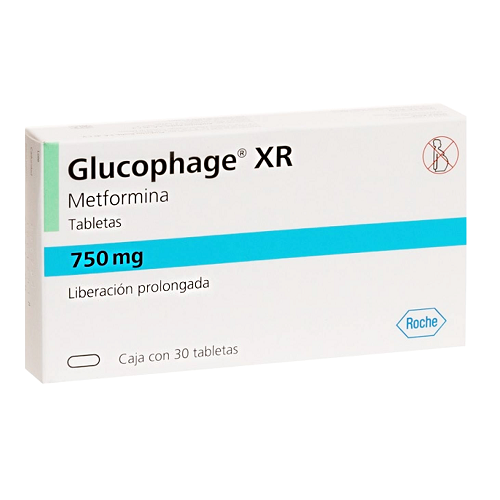
Can Glucophage (Metformin) Be Obtained Without a Prescription in the United States?
Glucophage (metformin) is a prescription-only medication in the United States. It cannot be legally obtained without a doctor’s prescription from a licensed healthcare provider. Over-the-counter sales are not permitted.
Key Takeaways: Quick Facts About Glucophage (Metformin) in the United States
- Glucophage is most suitable for adults with type 2 diabetes who have not achieved adequate blood sugar control through diet and exercise alone.
- A valid prescription from a U.S.-licensed healthcare provider is required; Glucophage cannot be purchased legally without one.
- Most patients start to notice lowered blood glucose levels within several days, with full benefit typically seen in 1–2 weeks.
- The most important safety concern is the rare risk of lactic acidosis, especially in patients with kidney or liver problems.
- If you have severe gastrointestinal symptoms, signs of dehydration, or sudden muscle pain while taking Glucophage, seek medical attention promptly.
- Original Glucophage and generic metformin are both available; generics are FDA-approved and generally cost less.
How Does Glucophage Work in the Body? (Detailed Mechanism of Action and Metabolic Impact)
Glucophage contains metformin, a biguanide class oral antihyperglycemic agent widely used for type 2 diabetes management.
Metformin’s primary mechanism involves the inhibition of hepatic gluconeogenesis—the process by which the liver produces new glucose from non-carbohydrate sources. On a molecular level, metformin activates AMP-activated protein kinase (AMPK), a cellular energy sensor. AMPK reduces the expression of genes involved in gluconeogenesis and increases insulin sensitivity, especially in skeletal muscle cells, thereby enhancing peripheral glucose uptake.
Additionally, metformin reduces intestinal absorption of glucose and improves lipid metabolism by lowering LDL cholesterol and triglycerides.
Unlike sulfonylureas or insulin, metformin does not stimulate pancreatic beta-cell insulin secretion, so it does not cause hypoglycemia in typical use.
Metaphorically, if your body is a city with blood sugar “traffic,” Glucophage changes the traffic lights in the liver to red, so less sugar flows out, encourages muscles to “open more lanes” for sugar to enter, and reduces the “pedestrian sugar” absorbed from your gut.
Effectiveness does not require a specific trigger such as food intake, but its action depends on the presence of circulating insulin and normal kidney function.
Common Misunderstandings About Glucophage: A Doctor’s Perspective
In my clinical practice, many patients begin Glucophage expecting immediate and dramatic improvements in blood sugar, sometimes within hours. This can lead to disappointment or early discontinuation when glucose levels do not respond overnight. Patients often judge success solely by glucose meter readings, overlooking less obvious benefits like improved metabolic markers or gradual weight stabilization. Another common issue arises when patients attribute any gastrointestinal upset directly to metformin, not realizing that symptoms can improve over time or with slow dose titration. I find many rarely ask about the importance of kidney function monitoring, even though it is critical for safe long-term use. It’s also common for patients to misunderstand the role of diet and exercise alongside medication, assuming Glucophage alone is enough. Open discussion about expectations and what real progress looks like—beyond just numbers—can make a big difference in successful, sustainable therapy.
How Should Glucophage Be Taken? (Dosing, Peak Effect, Duration, and Adjustments)
Standard Starting Dose: For most adults, Glucophage (immediate-release) starts at 500 mg once or twice daily with meals. Extended-release (XR) forms are typically started at 500 mg once daily, preferably with the evening meal.
- Usual target maintenance dose: 1500–2000 mg per day, divided into 2–3 doses.
- Maximum daily dose: 2550 mg (immediate-release) or 2000 mg (extended-release).
- Dose adjustments: Elderly patients or those with mild renal impairment require lower starting doses and more gradual titration. Dose increases are made in 500 mg increments every 1–2 weeks as tolerated.
- Peak effect: Steady-state blood glucose reduction is usually apparent within 1 week, full effect by 2–3 weeks.
- Tablet splitting: Most immediate-release tablets may be split if scored, but extended-release tablets must never be split, crushed, or chewed.
Never exceed the maximum daily dose prescribed by your healthcare provider, as this increases the risk of lactic acidosis—a rare but serious complication.
References: FDA
What Is the Impact of Food, Alcohol, and Lifestyle Choices on Glucophage Therapy?
- With Food: Always take Glucophage with meals to reduce gastrointestinal side effects such as nausea or diarrhea. Taking it on an empty stomach increases stomach upset and is not recommended.
- Fatty Meals: High-fat meals do not significantly affect metformin absorption but can worsen gastrointestinal side effects in some people.
- Alcohol: Strictly limit or avoid alcohol intake while on Glucophage. Both acute and chronic excessive consumption (more than 2 drinks/day for men, 1 drink/day for women) can increase the risk of lactic acidosis, especially if you have kidney or liver impairment. Even moderate drinking should be discussed with your doctor.
- Grapefruit Juice: Grapefruit juice is not known to interact with metformin.
- Physical Activity: Regular exercise enhances the glucose-lowering effect of Glucophage, but do not overexert if you are unwell or dehydrated.
References: Mayo Clinic
Who Should Not Take Glucophage? (Absolute and Relative Contraindications)
- Absolute Contraindications:
- Severe renal impairment: eGFR < 30 mL/min/1.73 m2
- Severe hepatic impairment or active liver disease
- Known hypersensitivity to metformin or any component of the formulation
- Acute or chronic metabolic acidosis, including diabetic ketoacidosis
- History of lactic acidosis
- Relative Contraindications (use with caution, under medical supervision):
- eGFR 30–45 mL/min/1.73 m2 (dose reduction required, frequent monitoring)
- Chronic alcohol use, heavy alcohol consumption
- Heart failure requiring oxygen therapy or hospitalization
- Recent heart attack (acute myocardial infarction)—Glucophage may be restarted only when the patient is hemodynamically stable and kidney function is confirmed normal
- Conditions causing hypoxia, dehydration, or severe infection
- Before intravascular iodinated contrast procedures—pause metformin and reassess renal function before restarting
Why? Because impaired kidneys or liver reduce metformin elimination, increasing the risk of lactic acidosis. Hypoxia and dehydration also amplify this risk.
References: FDA, Mayo Clinic
What Side Effects Are Most Common with Glucophage?
- Very Common (>1 in 10):
- Gastrointestinal symptoms (nausea, diarrhea, flatulence, abdominal discomfort, metallic taste)
- Common (1–10 in 100):
- Loss of appetite (anorexia)
- Mild vitamin B12 deficiency with long-term use (can cause numbness or tingling)
- Rare (<1 in 1,000):
- Lactic acidosis (serious; risk is higher in people with kidney or liver dysfunction, or significant dehydration)
- Skin rash or redness
- Liver function test abnormalities
- Very Rare (<1 in 10,000):
- Severe allergic reactions (anaphylaxis)
- Hepatitis
Why do these effects occur? Metformin is not absorbed completely, and its presence in the gut can irritate the lining, leading to the common digestive symptoms. Lactic acidosis may result from accumulation in the presence of kidney, liver, or other metabolic stresses.
If you develop persistent vomiting, rapid breathing, severe muscle pain, or sudden weakness, stop the medication and seek emergency help immediately.
What Are the Most Common Patient Mistakes When Taking Glucophage?
- Stopping Glucophage abruptly after experiencing mild stomach upset: Many patients discontinue before allowing their body to adjust, missing out on full benefits. Solution: Start with a low dose and increase gradually as advised by your doctor.
- Taking Glucophage on an empty stomach: This increases the risk of nausea and diarrhea. Always take with food.
- Skipping doses or taking inconsistent doses: Irregular intake leads to poor blood glucose control and may cause symptoms to fluctuate. Maintain a regular schedule.
- Self-adjusting the dose based on sugar readings: Adjusting the dose without medical supervision is risky and can cause harm.
- Overlooking the need for regular kidney and liver function tests: Some patients are unaware that monitoring is essential for safety. Schedule lab checks as directed.
- Continuing Glucophage during episodes of severe illness, dehydration, or prior to imaging studies with IV contrast: This can raise the risk of lactic acidosis. Always inform your doctor about planned procedures or acute illnesses.
- Mixing Glucophage with excessive alcohol: This combination greatly increases the risk of lactic acidosis and should be avoided.
How Does Glucophage Compare to Other Type 2 Diabetes Medications?
| Medication | Onset (days) | Duration of Effect | Notable Side Effects | Average Cost (USD/tablet) | Prescription Required? |
|---|---|---|---|---|---|
| Glucophage (Metformin) | 2–5 | Up to 24 hours (per dose) | GI upset, rare lactic acidosis | $0.05–$0.30 (generic); $2–$4 (brand) | Yes |
| Glipizide (Sulfonylurea) | 1–2 | 12–24 hours | Hypoglycemia, weight gain | $0.10–$0.60 | Yes |
| Jardiance (Empagliflozin, SGLT2 inhibitor) | 2–4 | 24 hours | UTIs, dehydration | $15–$20 | Yes |
| Ozempic (Semaglutide, GLP-1 agonist) | 7–14 | 1 week (weekly injection) | Nausea, risk of pancreatitis | $900–$1,000/month | Yes |
Bottom line: Glucophage is typically first-line due to cost, safety, and long-term outcome data. Some alternatives may be preferred for specific patient profiles or if Glucophage is not tolerated.
Glucophage: Technical Characteristics Reference Table
| Active Ingredient | Metformin hydrochloride |
| Available Strengths | 500 mg, 850 mg, 1000 mg |
| Formulation | Immediate-release, Extended-release |
| Route of Administration | Oral (tablet) |
| Storage | Room temperature, 20–25°C (68–77°F) |
| Half-life | 4–9 hours (immediate-release) |
| Prescription Status (USA) | Prescription only |
Compatibility Check: Glucophage and Other Medications
| Type of Product | Can it be Combined? | Consequences |
|---|---|---|
| Insulin (injectable) | Yes (with monitoring) | Risk of hypoglycemia, adjust insulin dose if needed |
| Sulfonylureas | Yes (with monitoring) | Increased hypoglycemia risk |
| NSAIDs (e.g., ibuprofen) | Caution | May affect kidney function |
| Iodinated contrast agents | STRICTLY NO (temporary) | Risk of lactic acidosis; discontinue metformin before and after imaging |
| Alcohol | Caution/Limit | Increases lactic acidosis risk |
Pharmacokinetics of Glucophage: What Happens After You Swallow a Pill?
- Absorption: Metformin is absorbed primarily from the small intestine. Peak blood concentrations occur within 2–3 hours (immediate-release) or 4–8 hours (extended-release).
- Distribution: Not significantly bound to plasma proteins; distributes quickly into body tissues.
- Metabolism: Not metabolized by the liver; excreted unchanged.
- Elimination: Eliminated via the kidneys through active tubular secretion.
- Half-life: 4–9 hours (immediate-release), varies for extended-release.
- Special Consideration: Impaired kidney function markedly prolongs elimination, increasing the risk of toxicity.
References: PubMed
Special Populations: Who Needs Extra Caution with Glucophage?
- Older Adults (age 65+): Increased risk of reduced kidney function—require lower starting doses and regular renal monitoring.
- Chronic Kidney Disease: May require dose reduction or discontinuation depending on eGFR.
- Liver Impairment: Avoid use due to increased lactic acidosis risk.
- Heart Failure: If stable and kidney function is normal, metformin may be considered. Unstable or hypoxic patients should avoid.
- Pregnancy and Breastfeeding: Metformin is sometimes used during pregnancy for diabetes, but only under close medical supervision. It is excreted in breast milk, but the risk to infants is considered low.
- Children and Adolescents: Approved for ages 10 and older for type 2 diabetes; dosing and monitoring must be tailored.
- Driving and Machinery: Glucophage does not impair cognitive function or alertness but use with other hypoglycemic agents can cause low blood sugar and affect reaction time.
- Fertility: No evidence of harm to fertility; sometimes used in polycystic ovary syndrome (PCOS) to restore ovulatory cycles.
Step-by-Step: How to Get Glucophage Through Legitimate U.S. Healthcare Channels
- Step 1: Consult Your Doctor. Schedule an appointment (in-person or via telehealth) with a licensed primary care physician, endocrinologist, or other qualified healthcare provider.
- Step 2: Medical Assessment. Your provider will review your medical history, current medications, kidney and liver function, and perform necessary lab tests to assess if Glucophage is appropriate.
- Step 3: Receive a Prescription. If Glucophage is indicated, your provider will issue a prescription (paper or electronic), specifying the appropriate dose, formulation, and instructions.
- Step 4: Fill Your Prescription at a Pharmacy. Take your prescription to a licensed U.S. pharmacy—either a local community pharmacy or a verified online/mail-order pharmacy.
- Step 5: Follow Up and Monitoring. Initiate therapy as directed. Schedule follow-up appointments and lab checks, especially for kidney/liver function and blood sugar monitoring.
Note: Many insurance plans and Medicare/Medicaid cover generic metformin with a prescription.
How Can I Identify a Legitimate Online Pharmacy for Glucophage in the United States?
- Verify Pharmacy Accreditation: Look for pharmacies accredited by the National Association of Boards of Pharmacy (NABP) and carrying the “.pharmacy” domain or displaying the VIPPS (Verified Internet Pharmacy Practice Sites) seal.
- Check Prescription Requirements: A legitimate pharmacy will always require a valid prescription and will not offer prescription medications for sale without one.
- Review Regulatory Oversight: U.S.-based online pharmacies must hold state pharmacy licenses and comply with federal and state regulations.
- Warning Signs of Unsafe Sellers:
- Does not request a prescription
- Offers drugs at unusually low prices
- Ships from outside the United States without U.S. regulatory oversight
- Lacks a verified business address or contact information
- Website design is unprofessional or contains numerous errors
- Consumer Protection: Use the FDA “BeSafeRx” and NABP tools to confirm legitimacy.
How Can I Recognize and Avoid Counterfeit Glucophage?
- Original Packaging: FDA-approved Glucophage comes in sealed blister packs or bottles, labeled in English with lot number, expiration date, and manufacturer (e.g., Bristol-Myers Squibb, or the actual U.S. generic manufacturer).
- Tablet Appearance: Shape, color, and imprint code should match the description in the U.S. FDA Orange Book or pharmacy database. Most metformin tablets are white, round or oval, and scored; extended-release forms are often larger and may be coated.
- Holograms/QR Codes: Some brands use holographic seals or QR codes. If present, scan for authenticity (verify with the manufacturer).
- Too-Good-to-Be-True Prices: Unusually low prices are a common sign of counterfeit or illegally imported medications.
- Generics vs. Original: Generic metformin is FDA-approved, equivalent in efficacy and safety to the branded original. The main differences are in inactive ingredients (excipients)—these are generally non-active, but rarely can cause allergic reactions. In the U.S., generics are thoroughly tested for equivalence.
If you suspect a counterfeit product, do not take it. Report it to the FDA’s MedWatch program immediately.
Quality Check: What Should Real Glucophage Look Like?
- Tablet color: White (occasionally off-white for some generics)
- Shape: Round or oval, often scored (immediate-release); larger/oblong for XR
- Imprint code: Letters/numbers unique to each manufacturer (check with pharmacy or FDA database)
- Packaging: FDA-approved labeling, manufacturer address, lot number, and expiry date
- Security: Sealed bottle or blister pack; intact at purchase
What Should I Do If I Take Too Much Glucophage?
- Stop taking Glucophage immediately.
- Call Poison Control Center at 1-800-222-1222 or 911 for emergency services in the United States.
- Provide information on the amount and time of ingestion.
- Do not wait for symptoms to appear; lactic acidosis can develop rapidly and be life-threatening.
- Stay hydrated but do not force fluids without medical advice.
Signs of overdose include rapid breathing, unusual tiredness, severe nausea/vomiting, muscle pain, or confusion. Immediate medical evaluation is critical.
Myth vs Reality: Glucophage and Diabetes Management
- Myth: Glucophage alone can “cure” diabetes.
Reality: There is no cure for type 2 diabetes. Glucophage helps control blood sugar, but diet, exercise, and sometimes other treatments are necessary for optimal management. - Myth: All side effects mean you must stop the drug.
Reality: Most GI side effects are transient and improve over time or with dose adjustment.
Psychological Support: You Are Not Alone
Type 2 diabetes is common and manageable. Many people struggle initially with lifestyle changes or the idea of lifelong medication. It’s normal to feel uncertain or frustrated—consider sharing your concerns with your healthcare provider or joining a diabetes support group for encouragement and practical tips.
Common Questions Patients Ask Their Doctor About Glucophage
- How long should I expect to take Glucophage once prescribed?
- Most patients take Glucophage long-term, often for years, as part of their ongoing diabetes management. Your doctor will periodically reassess the need for continued therapy based on your blood sugar control and any side effects.
- Will Glucophage cause me to have low blood sugar (hypoglycemia)?
- Glucophage alone does not cause hypoglycemia; however, if taken with other diabetes medications such as insulin or sulfonylureas, your risk of low blood sugar increases. Monitor your glucose as advised.
- How often do I need lab tests while on Glucophage?
- You should have kidney function tests before starting and at least annually thereafter. More frequent monitoring may be needed if you are older, have chronic kidney disease, or other risk factors. Your doctor may also check vitamin B12 levels periodically.
- What should I do if I develop persistent diarrhea or an upset stomach?
- Contact your doctor rather than stopping the medication on your own. Sometimes, lowering the dose or switching to an extended-release form can help. Do not discontinue abruptly unless advised due to other symptoms (such as signs of lactic acidosis).
- Can Glucophage be used for weight loss or prediabetes?
- Glucophage is sometimes used off-label for prediabetes or polycystic ovary syndrome (PCOS), especially if you are overweight or have insulin resistance. Use should only be under medical supervision, as the evidence for weight loss in people without diabetes is less robust.
- Is it safe to take Glucophage if I become pregnant?
- Metformin is sometimes continued in pregnancy for women with type 2 diabetes or PCOS, but this decision should be made in close consultation with your doctor and OB-GYN. Do not stop or continue without medical advice.
- If I feel fine, do I still need to keep taking Glucophage?
- Yes, unless your doctor instructs otherwise. Type 2 diabetes can cause silent organ damage even when you feel well. Stopping medication without a plan can lead to worsening blood sugar control.
FAQ: Quick Answers About Glucophage (Metformin) in the United States
Is Glucophage the same as metformin?
Yes, Glucophage is a brand name for metformin. Generic metformin is equally effective and FDA-approved.
How quickly does Glucophage lower blood sugar?
Most people begin to see lowered blood glucose within a few days; optimal effect is typically reached in 1–2 weeks.
Do I need a prescription to buy Glucophage in the United States?
Yes, Glucophage and generic metformin are available only with a prescription from a licensed healthcare provider.
What’s the average cost of Glucophage?
Generic metformin costs about $0.05–$0.30 per tablet; brand-name Glucophage is more expensive, around $2–$4 per tablet. Prices vary by pharmacy and insurance coverage.
Can metformin cause low blood sugar?
Not by itself. Risk increases if combined with insulin or other diabetes medications that lower blood sugar.
What should I do if I miss a dose?
Take your next dose at the scheduled time. Do not double up or take extra doses to make up for the missed one.
Is Glucophage safe with other medications?
Generally, yes, but always inform your doctor and pharmacist about all medications and supplements you take. Certain drugs, especially those affecting the kidneys or liver, may require adjustments.
How long do I need to stay on Glucophage?
Often long-term, as directed by your healthcare provider. Do not stop without discussing it with your doctor.
Can I get Glucophage delivered to my home?
Yes, most U.S. pharmacies and verified mail-order services offer home delivery with a valid prescription.
Are there alternatives if I cannot tolerate Glucophage?
Yes, other oral medications and injectable drugs are available for type 2 diabetes. Your doctor can help select the best option based on your individual needs.
Professional Clinical Assessment by a Doctor: Glucophage’s Role in Diabetes Management
In my clinical experience, Glucophage (metformin) remains the foundational therapy for most adults with type 2 diabetes, especially those who are overweight and do not have kidney or liver impairment. Its cardiovascular safety profile and cost-effectiveness make it a sound first-line choice, per national and international guidelines. Patients most likely to benefit are those with newly diagnosed diabetes or prediabetes, and in some cases, women with polycystic ovary syndrome. However, Glucophage is not suitable for individuals with significant renal or hepatic disease, those with a history of lactic acidosis, or people unable to tolerate gastrointestinal side effects despite slow titration. In situations where Glucophage is contraindicated or not tolerated, SGLT2 inhibitors or GLP-1 receptor agonists may be preferable, particularly for patients with high cardiovascular risk. Periodic reassessment is essential—not every patient’s needs remain static, and new therapies may offer additional benefits over time. The decision to continue, adjust, or change therapy should always be individualized, balancing benefits, risks, and patient preferences.
References
- U.S. Food and Drug Administration (FDA). [https://www.fda.gov/](https://www.fda.gov/)
- Mayo Clinic. [https://www.mayoclinic.org/](https://www.mayoclinic.org/)
- National Institutes of Health, PubMed. [https://www.ncbi.nlm.nih.gov/pubmed/](https://www.ncbi.nlm.nih.gov/pubmed/)
- American Diabetes Association. [https://diabetes.org/](https://diabetes.org/)
- ClinicalTrials.gov. [https://clinicaltrials.gov/](https://clinicaltrials.gov/)
- National Association of Boards of Pharmacy (NABP). [https://nabp.pharmacy/](https://nabp.pharmacy/)
- Centers for Disease Control and Prevention (CDC). [https://www.cdc.gov/](https://www.cdc.gov/)
- Bristol-Myers Squibb (manufacturer of original Glucophage). [https://www.bms.com/](https://www.bms.com/)