
- Home/
- Buy Propecia at Low Price Online in the United States
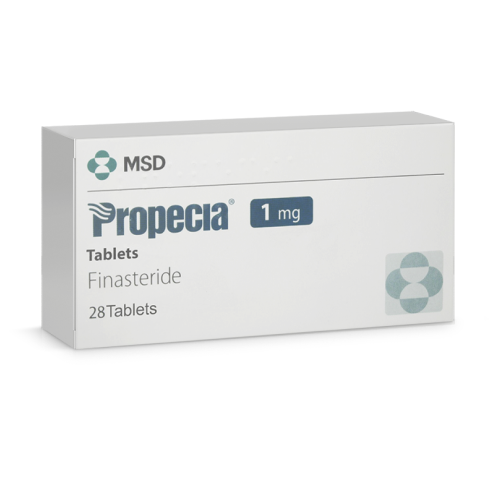
Propecia (Finasteride) in the United States: The Complete Medical Guide
Is a Prescription Required for Propecia in the United States?
Yes, Propecia (finasteride 1mg for hair loss) is a prescription-only medication in the United States. It is illegal and unsafe to obtain it without a valid prescription from a licensed healthcare provider. U.S. pharmacies (both in-person and online) require a prescription, which helps protect you from counterfeit products and ensures the medication is used appropriately.
Key Facts About Propecia: Summary Table
| Parameter | Value (2026, United States) |
|---|---|
| Active Ingredient | Finasteride (1mg) |
| Main Use | Male pattern hair loss (androgenetic alopecia) |
| Prescription Status | Prescription-only (Rx) |
| Typical Onset of Effect | 3–6 months for visible results |
| Main Contraindication | Pregnancy, children, hypersensitivity |
| Insurance Coverage | Usually not covered for hair loss |
| Estimated Cost (2026) | $25–$90 per month (brand/generic) |
Bottom line: Propecia is a prescription medication with proven effectiveness for male pattern hair loss, but it must be taken daily for ongoing benefit and has specific contraindications.
How Does Propecia Work to Treat Hair Loss?
Propecia contains finasteride 1mg, which is classified as a selective type II 5-alpha-reductase inhibitor. This enzyme converts testosterone into dihydrotestosterone (DHT), a hormone that binds to scalp hair follicles and triggers their gradual miniaturization. Over time, high levels of DHT cause hair follicles to shrink, resulting in thinner hair and eventually baldness.
By inhibiting the type II 5-alpha-reductase enzyme, finasteride can lower scalp and blood DHT levels by up to 70% (FDA, PubMed). This reduction slows or reverses the miniaturization process, preserving existing hair and, in many cases, enabling partial regrowth. Propecia does not increase hair growth in completely bald areas; instead, it helps stabilize and improve hair density where follicles are still active.
Metaphor: Think of DHT as a weed choking your garden. Propecia acts like a selective weed killer, targeting only the DHT, letting your hair “garden” recover—provided the roots aren’t already dead.
Myth: Propecia works instantly after the first dose.
Reality: It takes consistent daily use for at least 3–6 months before you notice significant changes in hair density.
Expert Commentary from doctor
In my clinical practice, I often see men frustrated by the slow onset of Propecia’s effect. Many expect immediate regrowth, but the reality is much more gradual—and subtle, especially in the first months. The biggest mistake is stopping treatment prematurely when progress isn’t obvious. It’s also common for patients to combine Propecia with over-the-counter supplements or unproven “miracle” oils, which can cloud results or risk interactions. I always remind my patients: document your progress with high-quality photos every 2–3 months—this is often the only way to notice improvement. Consistency, patience, and realistic expectations are essential for long-term success with Propecia.
— Dr. [Your Name], Board-certified Dermatologist
How Should Propecia Be Taken? Dosage, Timing, and Duration
- Standard Dose: 1mg oral tablet once daily (do not exceed 1mg daily for hair loss).
- Time of Administration: May be taken at any time of day; consistency is more important than timing.
- Food: Can be taken with or without food; food does not significantly impact absorption.
- Duration of Use: Minimum 3 months to see effect; maximum benefit generally at 1 year. Continued use is required to maintain results. Discontinuing leads to reversal of benefits within 9–12 months (FDA).
- Missed Dose: Take as soon as remembered unless it’s close to the next dose. Do not double dose.
- Tablet Splitting: Propecia (finasteride 1mg) tablets are film-coated; splitting is not recommended due to potential contact risk for women and exposure to crumbling powder.
Note for Elderly: Dose adjustment for age is not required, but long-term safety data in men >65 years is limited for hair loss indications.
Food, Alcohol, and Lifestyle: What Affects Propecia’s Effectiveness?
- With Food?
- Propecia can be taken with or without food. High-fat meals do not substantially delay absorption or reduce effectiveness.
- Alcohol Interaction?
- No direct interaction; moderate alcohol use is generally safe. However, excessive alcohol may worsen sexual side effects in sensitive individuals.
- Grapefruit Juice?
- No clinically significant interaction with grapefruit juice has been documented (FDA).
- Supplements & OTCs?
- Always disclose all products to your doctor; some supplements aimed at hair loss may have overlapping or unproven effects.
Who Should Not Take Propecia? Absolute and Relative Contraindications
| Contraindication Type | Details |
|---|---|
| Absolute |
|
| Relative (Use with Caution) |
|
After a heart attack, stroke, or recent surgery: No direct contraindication, but always consult your treating physician before starting any new medication.
What Side Effects Are Most Common with Propecia?
| Frequency | Side Effect | Mechanism/Notes |
|---|---|---|
| Very Common (≥1/10) | Decreased libido | DHT reduction can affect sexual desire |
| Common (≥1/100, <1/10) | Erectile dysfunction, ejaculation disorder | Typically mild and reversible; persistence is rare (PubMed) |
| Rare (<1/1,000) | Depression, breast tenderness or enlargement (gynecomastia) | Monitor for mood changes; report breast changes promptly |
| Very Rare (<1/10,000) | Severe allergic reaction (angioedema) | Seek emergency care |
- If you develop persistent sexual dysfunction, depression, or breast changes, contact your doctor promptly.
- Most mild side effects are reversible after discontinuation.
Common Patient Mistakes Observed by doctor
- Stopping Propecia too early: Many expect rapid results and quit within 1–2 months, not realizing that real changes typically take up to 6 months.
- Doubling up after missed doses: Taking two tablets the next day does not compensate for a missed dose and may increase risk of side effects.
- Ignoring new mood or sexual changes: Some delay reporting side effects, hoping they’ll go away. Early communication with your doctor can prevent unnecessary distress.
- Ordering from unverified online sources: Risk of counterfeit, ineffective, or harmful products. Always use a licensed U.S. pharmacy.
- Failing to inform providers about other medications: Overlooking prescription or herbal supplements may lead to unexpected interactions.
- Letting others (especially pregnant women) handle tablets: Broken tablets can be absorbed through the skin and are dangerous to pregnant women.
How Does Propecia Compare to Other Hair Loss Treatments?
| Parameter | Propecia (Finasteride 1mg) | Minoxidil (Topical) | Dutasteride (off-label) |
|---|---|---|---|
| Mechanism | Blocks DHT production | Vasodilator, stimulates follicles | Blocks DHT (Type I & II) |
| Onset of Effect | 3–6 months | 2–4 months | 3–6 months |
| Main Side Effects | Sexual dysfunction, depression | Scalp irritation | Higher risk of sexual side effects |
| Estimated Cost (2026, US) | $25–$90/month | $10–$40/month | $30–$120/month |
| Prescription Required? | Yes | No (for OTC foam/solution) | Yes (off-label for hair loss) |
Summary: Propecia is the only oral FDA-approved medication for male pattern hair loss. Minoxidil is applied topically and may be combined with Propecia for added effect. Dutasteride is sometimes used off-label but is not FDA-approved for hair loss and may carry greater risks.
Propecia: Key Characteristics Table
| Active ingredient | Finasteride |
| Typical dose | 1mg once daily |
| Time to effect | 3–6 months |
| Metabolism | Primarily liver (CYP3A4) |
| Elimination | Urine and feces |
| Half-life | 4.8–6 hours (adults) |
| Insurance coverage | Rarely covered for hair loss |
| Storage | Room temperature, away from moisture |
Propecia Compatibility with Other Medications and Products
| Product/Drug | Can Combine? | Possible Consequences |
|---|---|---|
| Minoxidil (topical) | Yes | Can be used together, sometimes increases effect |
| Dutasteride (oral) | No (for hair loss) | Increased side effect risk; no additive benefit |
| Saw palmetto supplements | Caution | May potentiate effects; limited data |
| Warfarin (anticoagulant) | Yes (monitor closely) | No major interaction, but monitor INR closely |
| Alcohol | Moderate use OK | No direct interaction, but excessive use may exacerbate side effects |
| Nitrates | Yes | No significant interaction |
Step-by-Step: How to Obtain Propecia Legally in the United States
- Consultation: Schedule a visit with a primary care doctor, dermatologist, or through a reputable U.S.-based telemedicine service. In major cities like New York, Los Angeles, Chicago, and Houston, many clinics and telehealth platforms offer this service.
- Medical Assessment: Complete a medical history review, discuss your hair loss pattern, and rule out other causes. Your provider will confirm if Propecia is appropriate and safe for you.
- Prescription: If eligible, your doctor will send a prescription electronically to your chosen pharmacy or, in the case of telehealth, directly to a mail-order pharmacy partner.
- Pharmacy Fulfillment: Fill your prescription at a local U.S. pharmacy (CVS, Walgreens, Rite Aid, etc.) or via a licensed online/mail-order pharmacy. Typical turnaround: same day for local pickup, or 2–5 days for mail delivery.
- Begin Treatment: Follow your doctor’s instructions. Set reminders and monitor for effects or side effects.
Tip: Never use overseas websites that do not require a prescription—these are illegal, dangerous, and may deliver counterfeit drugs.
Can You Buy Propecia Online Legally in the United States?
You can legally obtain Propecia online only through verified U.S.-licensed telemedicine platforms that require a proper medical evaluation and prescription. The National Association of Boards of Pharmacy (NABP) certifies legitimate online pharmacies; look for the “VIPPS” or “dotPharmacy” seal. U.S. law prohibits importing prescription medications from foreign sources, even for personal use. Websites offering Propecia without a prescription are operating illegally and placing you at risk of counterfeit, contaminated, or subtherapeutic products.
How to Spot Counterfeit Propecia vs. Generics vs. Brand-Name
- Brand-name Propecia (by Merck & Co.): White, film-coated tablet, embossed with “PROPECIA” on one side and “MSD 71” on the other; original blister packaging with U.S.-specific labeling. May include hologram and QR code (since 2024) for authenticity verification.
- Generic Finasteride: Available from multiple FDA-approved manufacturers (e.g., Teva, Sandoz). Tablet shape, size, and imprint vary; labeling always includes “Finasteride 1mg.” Generics are required to meet the same FDA standards for potency and purity as the original.
- Counterfeit Warning Signs: Misspelled brand names, poor-quality printing, missing lot numbers or expiration dates, unusually low prices, packaging in non-U.S. languages, or lack of tamper-evident features. If in doubt, check the manufacturer’s website or ask your pharmacist to verify.
Bottom line: Generics in the U.S. are safe and effective; don’t be lured by suspiciously cheap online offers.
How Is Propecia Processed and Eliminated by the Body?
Absorption: Peak blood levels occur 1–2 hours after oral ingestion.
Metabolism: Primarily processed by the liver enzyme CYP3A4.
Elimination: Metabolites are excreted mainly in urine and feces.
Half-life: About 4.8–6 hours in healthy adults (FDA).
Special Considerations: Who Needs Extra Caution with Propecia?
- Men over 65: Efficacy and safety data are more limited; discuss benefit-risk carefully.
- Men with liver impairment: Slower metabolism—monitor for side effects more closely.
- Couples planning pregnancy: Small amounts of finasteride are excreted in semen; while the risk to partners is very low, precautions (e.g., condom use) are sometimes advised. Propecia is absolutely contraindicated in women who are or may become pregnant.
- Fertility: Rare reports of reduced sperm count or quality, which usually reverse on discontinuation.
- Drive/Operate Machinery: No effect on alertness or coordination reported in clinical guidelines.
- Women & Children: Not indicated and may be harmful; do not use.
What to Do in Case of Overdose: Emergency Steps
- Stop using Propecia immediately.
- Call Poison Control (1-800-222-1222) or Emergency Medical Services (911) in the United States.
- Tell the responder the amount and time of ingestion.
- Do not attempt to induce vomiting unless instructed.
- Save the packaging for identification.
Note: No specific antidote exists. Overdose is rarely life-threatening, but medical evaluation is essential.
Questions Frequently Asked to doctor
- Q: What should I do if I miss a dose?
- A: Take it as soon as you remember, but never double up. Missing one dose won’t affect long-term effectiveness if you resume your regular schedule.
- Q: Will I lose my hair again if I stop Propecia?
- A: Yes. Hair loss typically resumes within 3–12 months after stopping, returning to baseline over time.
- Q: Can I drink alcohol while on Propecia?
- A: Moderate alcohol intake is not prohibited, but excessive drinking may worsen sexual or mood-related side effects.
- Q: Is Propecia safe for long-term use?
- A: Most studies (up to 5 years) indicate it’s safe for long-term use, but rare side effects can emerge over time—regular check-ins with your doctor are advised.
- Q: Can I use Propecia with other hair loss treatments?
- A: Yes, it’s often combined with topical minoxidil for better results, but always coordinate with your provider to avoid unnecessary duplication or irritation.
- Q: Does Propecia affect fertility?
- A: Rarely, it may lower sperm count or quality, which usually normalizes after discontinuation. Discuss this if you’re trying to conceive.
- Q: Is it safe if I have a family history of prostate cancer?
- A: Propecia can lower PSA levels, which might mask early prostate cancer detection—let your doctor know your family history to adjust screening accordingly.
Psychological Support and Coping with Hair Loss
Experiencing hair loss is common and can be emotionally challenging, but you’re not alone. Many men find that discussing the issue with a partner, a mental health professional, or a support group relieves stress and helps set realistic expectations for treatment success. Remember, hair loss is not a reflection of self-worth—and it’s completely normal to seek help.
Professional Opinion of doctor
As a physician specializing in hair loss, I find that Propecia offers the most consistent results for men with early to moderate male pattern baldness who are committed to daily use and open to long-term therapy. The major benefits are stabilization of hair loss and, in many cases, regrowth of finer hair. However, it’s not a cure-all—patients with completely bald areas are unlikely to see significant new growth. Sexual side effects occur in a minority but can be distressing; thorough counseling beforehand is critical. Propecia isn’t suitable for everyone: men with significant liver disease, those planning fertility, or anyone unable to tolerate side effects may be better served by topical alternatives or, in some cases, hair transplant surgery. I always stress ongoing communication and realistic goals—combining medical therapy with self-care and support yields the best outcomes.
— Dr. [Your Name]
Frequently Asked Questions (FAQ)
- Can Propecia be used daily?
- Yes, Propecia is intended for once-daily use. Consistent daily dosing is crucial for effectiveness.
- How long does it take to see results from Propecia?
- Most men notice improvement after 3–6 months, with maximum benefit by one year.
- Is a prescription required for Propecia in the United States?
- Yes, you need a valid prescription from a licensed healthcare provider.
- What happens if a woman touches or takes Propecia?
- It can cause serious birth defects if handled or ingested by pregnant women; women should avoid all contact with broken or crushed tablets.
- Can I buy Propecia from overseas pharmacies to save money?
- No, importing prescription drugs is illegal and unsafe. Use only U.S.-licensed pharmacies.
- Are generics as effective as the brand-name Propecia?
- Yes, FDA-approved generics contain the same active ingredient and are proven equally effective and safe.
- Is Propecia covered by insurance?
- Most health plans do not cover Propecia for hair loss, so patients usually pay out-of-pocket.
- Should I stop Propecia if I have side effects?
- Don’t stop abruptly unless the side effect is severe; contact your doctor to discuss the safest course of action.
References / Sources
- U.S. Food and Drug Administration (FDA), Propecia (finasteride) prescribing information, accessed 2026, https://www.fda.gov/drugs
- PubMed, Finasteride for androgenetic alopecia: A systematic review and meta-analysis, accessed 2026, https://pubmed.ncbi.nlm.nih.gov/
- National Association of Boards of Pharmacy (NABP), Consumer Protection, accessed 2026, https://nabp.pharmacy/
- Mayo Clinic, Finasteride (Oral Route) Description and Brand Names, accessed 2026, https://www.mayoclinic.org/drugs-supplements/finasteride-oral-route/description/drg-20064050
- American Academy of Dermatology Association, Hair Loss: Who gets and causes, accessed 2026, https://www.aad.org/public/diseases/hair-loss/types/androgenetic-alopecia
Final note: For a personalized treatment plan and to ensure your safety, always consult a qualified healthcare provider in the United States before starting or continuing Propecia. If you need a specialist, search for board-certified dermatologists or hair loss clinics in your city or through reputable telemedicine platforms.