
- الرئيسية/
- Buy Clomid in Online Pharmacy – Fast Delivery in United States
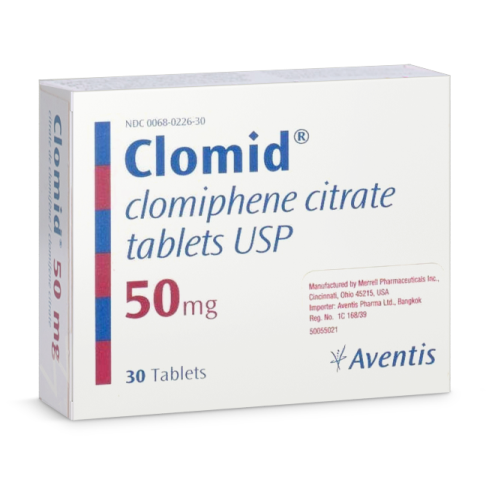
Clomid (Clomiphene) in the United States: The Complete Expert Guide
Can You Get Clomid Without a Prescription in the U.S.?
No, it is illegal to purchase Clomid (clomiphene citrate) without a prescription in the United States. Clomid is a prescription-only medication, regulated by the U.S. Food and Drug Administration (FDA). Any website or seller offering Clomid without requiring a valid prescription is operating outside of federal law and may be offering counterfeit, unsafe, or ineffective products.
Quick Summary: Key Facts About Clomid
| Parameter | Details |
|---|---|
| Active ingredient | Clomiphene citrate |
| Primary use | Female infertility due to ovulatory dysfunction |
| Prescription required? | Yes, required in all 50 states |
| Formulation | Tablets, usually 50 mg |
| Typical starting dose | 50 mg once daily for 5 days |
| Common side effect | Hot flashes |
| Legal online purchase | Possible only with valid prescription via licensed pharmacy or telehealth provider |
| Usual price range | $9–$50 per cycle (varies by brand, pharmacy, insurance) |
| FDA approved? | Yes |
- Clomid is not a general fertility booster—it is specifically indicated for women with certain types of ovulatory dysfunction.
- Clomid does not treat all causes of infertility; a full evaluation by a reproductive specialist is recommended.
- Clomid should not be used for more than 6 cycles unless specifically advised by an expert.
How Does Clomid Work? Pharmacology Explained
Clomid’s active ingredient, clomiphene citrate, is a non-steroidal selective estrogen receptor modulator (SERM). It works by binding to estrogen receptors in the hypothalamus, effectively “blocking” the brain’s detection of estrogen. This tricks the body into sensing low estrogen levels.
In response, the hypothalamus increases the release of gonadotropin-releasing hormone (GnRH), which then stimulates the pituitary gland to secrete more follicle-stimulating hormone (FSH) and luteinizing hormone (LH). These hormones promote the growth and maturation of ovarian follicles, increasing the chances of ovulation.
Simplified analogy: Imagine your body’s estrogen is like a thermostat. Clomid covers the sensor, so the system “thinks” it’s too cold (low estrogen), prompting the heat (FSH/LH) to be turned up.
Pharmacokinetics: Clomiphene is well absorbed after oral administration. It is metabolized primarily in the liver and excreted mostly in the feces. The half-life is variable, averaging around 5-7 days due to slow excretion of its isomers.
Myth vs Reality:
Myth: Clomid instantly guarantees pregnancy.
Reality: While Clomid helps induce ovulation, pregnancy rates per cycle are only about 10–15% in women with ovulatory dysfunction, and several cycles may be required. (Source: FDA)
Does Clomid require any specific conditions? Yes, for optimal effectiveness, ovarian function and normal pituitary function are required. Clomid will be ineffective in women with primary ovarian failure, certain pituitary disorders, or anatomical/structural causes of infertility.
Expert Commentary from doctor
In my practice, I often see patients expecting “magic” results from Clomid on the first cycle. In reality, ovulation induction is a process: sometimes it takes a few cycles to achieve success, and not every patient will respond. I always remind patients that Clomid’s action is hormone-based, so timing and adherence are crucial. A big pitfall is self-adjusting the dose or extending treatment without monitoring—this increases the risk of complications like ovarian hyperstimulation or cyst formation. I also find that some women become discouraged after one or two unsuccessful cycles; partnering with a fertility specialist for comprehensive evaluation can help set realistic expectations and avoid unnecessary delays. Finally, it’s important to discuss emotional impacts—Clomid can cause mood swings, and psychological support is often needed.
How to Take Clomid: Dosage and Instructions
- Standard starting dose
- 50 mg by mouth once daily for 5 days, usually starting on day 3, 4, or 5 of the menstrual cycle.
- Maximum dose
- 100 mg daily for 5 days is used if ovulation does not occur with the starting dose, but never exceed 100 mg per day or 6 cycles of treatment without specialist supervision. (Source: Mayo Clinic)
- Treatment cycles
- Typically up to 3–6 cycles. Longer courses increase the risk of complications.
- Tablet splitting
- Clomid tablets do not have a scored line. Splitting is discouraged unless directed by a pharmacist or physician, as it can affect dose accuracy.
- Missed dose
- If you miss a dose, take it as soon as you remember unless it’s almost time for the next dose. Do not double up.
- When does it work?
- Ovulation typically occurs 5–10 days after the last tablet is taken.
- Duration of effect
- Effects last through the current ovulatory cycle.
- Adjustments for special populations
- No dose adjustment for mild renal impairment. Use caution or avoid in liver dysfunction. No studies support use in women beyond reproductive age.
Clinical tip: Ovulation prediction kits or ultrasound monitoring may help time intercourse or insemination for best results.
Food, Alcohol, and Lifestyle Interactions with Clomid
| Product | Can it be combined? | Consequences |
|---|---|---|
| High-fat meals | Yes | No significant effect on absorption |
| Grapefruit juice | Yes (with caution) | May affect liver enzymes, but clinically relevant interaction not established |
| Alcohol | Moderate use | May worsen mood swings and hot flashes; excessive use not advised |
| Caffeine | Yes | No direct interaction, but excessive use may worsen anxiety |
| Supplements/herbals | Use caution | Some herbal supplements may alter hormonal balance or liver metabolism |
- No clinical evidence shows that food significantly affects Clomid’s absorption. Take with or without food, as tolerated.
- Alcohol: Limit to moderate intake (1 standard drink/day or less). No absolute prohibition, but avoid binge drinking.
- Other drugs: Tell your healthcare provider about all medications, supplements, and herbals you take.
Note: Some online sources warn against grapefruit juice due to theoretical CYP3A4 interaction, but no robust clinical evidence is available to date. (Source: FDA)
Who Should NOT Take Clomid? Contraindications and Warnings
- Absolute contraindications (Never use):
-
- Pregnancy (Category X – may cause fetal harm)
- Liver dysfunction or liver disease (due to hepatic metabolism and risk of toxicity)
- Ovarian cysts not due to polycystic ovary syndrome
- Unexplained uterine bleeding
- Primary ovarian failure (e.g., menopause, Turner syndrome)
- Endometrial cancer or hormone-dependent tumors
- Hypersensitivity to clomiphene or excipients
- Relative contraindications (Use only with caution and specialist supervision):
-
- Polycystic ovary syndrome (risk of ovarian hyperstimulation)
- History of visual disturbances on previous Clomid cycles
- Uncontrolled thyroid or adrenal dysfunction
- Obesity with co-existing metabolic syndrome (increased side effect risk)
- Depression or mood disorders (may worsen psychiatric symptoms)
How long after certain conditions? After recent pregnancy, miscarriage, or surgery, consult your specialist for timing. There’s no standard “waiting period” after heart attack or stroke, as Clomid is not generally indicated in such populations.
Bottom line: Always rule out pregnancy before starting Clomid and do not use it if you have chronic liver disease or unexplained abnormal vaginal bleeding.
What Side Effects Are Most Common with Clomid?
- Very common (>1 in 10)
-
- Hot flashes (vasomotor symptoms)
- Abdominal discomfort/bloating
- Common (1 in 100–10)
-
- Breast tenderness
- Nausea or vomiting
- Mood swings, irritability
- Headache
- Visual disturbances (“floaters,” blurred vision, sensitivity to light)
- Rare (<1 in 1000)
-
- Ovarian hyperstimulation syndrome (OHSS) (severe bloating, rapid weight gain, shortness of breath, risk of blood clots)
- Ovarian cyst formation
- Urticaria/allergic reactions
- Seizures (very rare, mostly in those with prior history)
- Very rare (<1 in 10,000)
-
- Thromboembolic events (blood clots)
- Changes in liver function tests
What to do if you notice side effects:
- Hot flashes, mild headaches, and bloating are usually self-limited.
- If you develop visual symptoms, ovarian pain, or severe abdominal swelling, stop Clomid and notify your doctor immediately.
- Seek emergency care for severe shortness of breath, chest pain, or swelling of legs (possible OHSS or blood clot).
Why do these side effects happen? Most result from increased estrogen production and stimulation of the ovaries. For example, hot flashes occur due to the brain’s response to sudden hormonal changes.
Common Patient Mistakes Observed by doctor
-
Taking Clomid without proper fertility evaluation.
Problem: Not all infertility is due to ovulation issues; other causes may be missed.
Avoidance: Get a full workup (including male partner evaluation and assessment for tubal patency) before starting Clomid. -
Increasing the dose or duration without supervision.
Problem: Higher doses raise risks of ovarian hyperstimulation, cysts, and long-term complications.
Avoidance: Never exceed prescribed dose or number of cycles; consult your doctor before any changes. -
Not timing intercourse or insemination with ovulation.
Problem: Missing the fertile window leads to lower pregnancy rates, even if ovulation occurs.
Avoidance: Use ovulation predictor kits or follow your doctor’s timing recommendations. -
Ignoring mood changes or mental health symptoms.
Problem: Clomid may worsen anxiety or depression, affecting quality of life and adherence.
Avoidance: Discuss any psychological symptoms with your provider; support or counseling may be needed. -
Ordering Clomid from unlicensed or overseas pharmacies.
Problem: High risk of counterfeit or contaminated medication; legal consequences.
Avoidance: Fill prescriptions only at licensed U.S. pharmacies or through legitimate telehealth providers. -
Stopping treatment abruptly after one failed cycle.
Problem: Many women require up to 3–6 cycles for success.
Avoidance: Maintain realistic expectations and adhere to the treatment plan agreed upon with your doctor.
Clomid vs Alternatives: Effectiveness, Cost, and Safety
| Drug | Mechanism | Typical Dose | Pregnancy Rate (per cycle) | Common Side Effects | Cost (per cycle) |
|---|---|---|---|---|---|
| Clomid (clomiphene) | SERM, induces ovulation | 50–100 mg/day x 5 days | 10–15% | Hot flashes, mood swings, ovarian cysts | $9–$50 |
| Letrozole (Femara) | Aromatase inhibitor, lowers estrogen | 2.5–7.5 mg/day x 5 days | 15–25% (higher for PCOS) | Fatigue, dizziness, joint pain | $14–$60 |
| Gonadotropins (e.g., Follistim, Gonal-F) | FSH/LH injections | Individualized | 15–25% | OHSS, multiple gestation | $1,000–$5,000 |
- Clomid is cost-effective, oral, and widely available, but not always first-line for polycystic ovary syndrome (PCOS).
- Letrozole may offer better pregnancy rates for some with PCOS and fewer side effects.
- Gonadotropins are injectable, more expensive, and higher risk; reserved for specialist use.
Always discuss alternatives with a reproductive endocrinologist to select the right protocol.
Questions Frequently Asked to doctor
- Is Clomid safe for women over 40?
- Clomid can be used in women up to their early 40s, but ovarian reserve drops with age, reducing effectiveness. Alternative treatments may be needed if ovulation or pregnancy rates are low.
- Can Clomid cause permanent hormone changes?
- No. Clomid’s effects are temporary and reversible after stopping. However, extended use (more than 6 cycles) may raise risks for ovarian cysts and, very rarely, ovarian tumors.
- What if I miss a dose?
- Take the missed dose as soon as you remember, unless it’s almost time for your next scheduled dose. Never take two doses at once; notify your doctor if you miss more than one dose per cycle.
- Can my partner take Clomid for male infertility?
- Occasionally, Clomid is used “off-label” in men for certain cases of low sperm count, but evidence is less robust. Only do this under close specialist oversight.
- Can I drink alcohol while taking Clomid?
- Small to moderate amounts are unlikely to cause serious harm, but alcohol could worsen mood swings and hot flashes. Heavy drinking is discouraged.
- What happens if Clomid doesn’t work after several cycles?
- If you do not ovulate or conceive after 3–6 cycles, evaluation for other causes of infertility is recommended, and alternative treatments should be discussed with a fertility specialist.
- Is it safe to drive or work after taking Clomid?
- Most women can drive as normal, but if you develop visual disturbances, headaches, or dizziness, avoid driving until symptoms resolve.
Key Characteristics Table: Clomid at a Glance
| Parameter | Clomid (Clomiphene) |
|---|---|
| Active ingredient | Clomiphene citrate |
| Dosing form | Oral tablet, 50 mg |
| Metabolism | Liver |
| Excretion | Primarily feces |
| Half-life (T1/2) | ~5-7 days |
| Onset of effect | Ovulation in 5–10 days post last dose |
| Duration of therapy | 5 days per cycle, max 6 cycles |
| Insurance coverage | Varies; some plans cover, others require copay (~$9–$50) |
| Prescription requirement | Yes, nationwide |
Step-by-Step: How to Obtain Clomid Legally in the U.S.
- Consult a healthcare provider: Schedule an appointment with a gynecologist, reproductive endocrinologist, or primary care physician. Telehealth consultations are also available in most states.
- Undergo evaluation: Your provider will review your medical history, perform a physical exam, and order labs or imaging to confirm ovulatory dysfunction as the cause of infertility.
- Receive a prescription: If indicated, your physician will send a prescription to your preferred pharmacy or recommend a licensed U.S. online pharmacy.
- Fill your prescription: Obtain Clomid only from a state-licensed pharmacy or a legitimate telemedicine provider that requires documentation and ID verification.
- Begin therapy: Follow dosage instructions precisely, and discuss any side effects or lack of results with your provider.
Note: U.S. pharmacies will never dispense Clomid without a valid prescription. If a website claims otherwise, it is likely fraudulent and may pose serious health risks (Source: FDA).
Is It Legal to Order Clomid Online in the U.S.?
Yes—with a prescription from a licensed U.S. healthcare provider, it is legal to order Clomid online from a state-licensed pharmacy.
Never order Clomid from an overseas or unlicensed website that does not require a prescription. Risks include counterfeit medication, loss of funds, customs seizure, and legal penalties.
- Check for the .pharmacy domain or look up the pharmacy in the NABP database.
- U.S. telemedicine services (e.g., Teladoc, Amwell, major hospital systems) can legally issue prescriptions after a medical assessment.
- Most insurance plans cover Clomid if prescribed for an FDA-approved indication.
How to Spot Fake or Counterfeit Clomid
- Examine the packaging: U.S.-market Clomid comes in sealed blister packs with manufacturer’s logo, lot number, and expiration date printed clearly.
- Check the tablet: Authentic tablets are typically white, round, and may be embossed with the manufacturer’s code or logo. Look for consistent size, color, and finish.
- Look for security features: Some brands include holograms, QR codes, or tamper-evident seals. U.S. law requires serial numbers for drug traceability.
- Unusually low price: Beware offers far below U.S. pharmacy prices—this is a key sign of counterfeiting or illegal importation.
- Contact the pharmacy: If in doubt, verify the source by contacting the licensed pharmacy directly or using the FDA’s MedWatch program.
What are generics? Generic versions of clomiphene citrate are FDA-approved and contain the same active ingredient as brand-name Clomid. Generics may look different in color or shape but are equally effective if purchased from a U.S.-licensed pharmacy.
Emergency Steps: What to Do If You Overdose on Clomid
- Stop taking Clomid immediately.
- Call Poison Control at 1-800-222-1222 or 911 if severe symptoms develop (severe abdominal pain, vision changes, difficulty breathing).
- Provide information on the exact dose and timing to emergency responders.
- Bring the medication container for verification.
- Follow all medical instructions; activated charcoal or hospital monitoring may be required in rare cases.
No antidote exists; management is supportive. Most accidental overdoses cause only minor symptoms, but complications can occur.
Emotional Support: You’re Not Alone
Infertility is common and can be emotionally challenging. Millions of women in the U.S. face similar struggles every year. If you find the process stressful or discouraging, consider discussing it with your partner and seeking support from a counselor, mental health provider, or local infertility group. Both the physical and emotional journey matter.
Original Clomid vs Generics: What’s the Difference?
- Original Clomid (usually by Sanofi, previously Aventis): Same active ingredient, higher price, sometimes preferred for brand recognition.
- Generic clomiphene citrate: Approved by FDA, identical active ingredient and clinical effect, lower cost. Color, shape, or excipients (inactive ingredients) may differ, but efficacy and safety are equivalent.
- Allergic reactions to excipients are rare but possible; check ingredients if you have known allergies.
Bottom line: Generics offer a cost-effective and safe alternative to brand-name Clomid if obtained from a licensed U.S. pharmacy.
Special Patient Groups: Elderly, Chronic Illness, and More
- Women over 40: Reduced response due to declining ovarian reserve. Alternative treatments may be considered.
- Women with liver disease: Do not use Clomid (risk of toxicity).
- Women with chronic metabolic or cardiovascular conditions: Careful monitoring is required; discuss risks with your specialist.
- Does Clomid affect ability to drive or operate machinery? Rarely, visual disturbances or dizziness may occur. Do not drive if you notice these symptoms.
- Fertility and family planning: Clomid’s only purpose is to induce ovulation; it does not address male factor infertility, anatomical blockages, or genetic conditions.
Professional Opinion of doctor
In my experience, Clomid is best suited for women with well-documented ovulatory dysfunction and normal uterine anatomy. It offers a non-invasive, cost-effective first-line therapy—especially for younger women with regular cycles who simply aren’t ovulating due to hormonal imbalance. However, its effectiveness declines with age and with certain conditions like diminished ovarian reserve or anatomical infertility. Some patients experience only mild side effects, while others report severe mood swings or visual changes; careful monitoring and open communication are essential. When Clomid fails after several cycles, I recommend a comprehensive re-evaluation and consider alternatives such as letrozole or injectable gonadotropins. Clomid is not a cure-all for infertility, but it remains a valuable tool in our therapeutic arsenal when used appropriately and safely. I urge patients to avoid self-medication and to partner with a fertility specialist for optimal results.
Frequently Asked Questions About Clomid
- Is Clomid available without a prescription in the United States?
- No, a prescription is mandatory by federal law. Obtaining Clomid without one is illegal and unsafe.
- How quickly does Clomid start working?
- Ovulation typically occurs 5–10 days after completing the 5-day course.
- What is the price of Clomid in the U.S.?
- Most pharmacies charge $9–$50 per 5-day cycle, depending on brand, insurance, and pharmacy location.
- Can Clomid be taken daily for longer than five days?
- No. Only short 5-day courses are recommended per cycle; long-term daily use is not approved and may be dangerous.
- Are there over-the-counter alternatives to Clomid?
- No FDA-approved non-prescription alternatives exist for ovulation induction. Supplements lack proven effectiveness.
- What happens if I get pregnant while taking Clomid?
- Stop taking Clomid immediately and notify your physician. Continued use in pregnancy can harm the fetus.
- Can men use Clomid for infertility?
- It is occasionally prescribed off-label for male infertility, but only under specialist care.
- Does insurance cover Clomid?
- Coverage varies by plan and indication; check with your insurer before filling your prescription.
- How do I know if my Clomid is real?
- Buy only from licensed U.S. pharmacies, check for proper labeling and packaging, and consult your provider if in doubt.
- What if I experience side effects?
- Contact your doctor for mild effects; seek urgent care for severe symptoms like vision changes or severe pain.
Sources & References
- U.S. Food and Drug Administration (FDA). FDA homepage.
- Mayo Clinic. “Clomiphene (Oral Route) Description and Brand Names.” Mayo Clinic homepage.
- National Institutes of Health (NIH). “Clomiphene.” PubChem Clomiphene.
- American Society for Reproductive Medicine (ASRM). “Recommendations for Clomiphene Use.” ASRM homepage.
- ClinicalTrials.gov. ClinicalTrials.gov homepage.
- National Association of Boards of Pharmacy (NABP). “Buying Medicine Online.” NABP homepage.
- U.S. Poison Control Centers. Poison Control homepage.
Final note: This guide is intended to offer the most comprehensive, current, and safe information available for patients and families in the United States considering Clomid therapy. Always consult a qualified healthcare provider for diagnosis, individualized treatment, and follow-up.