
- الرئيسية/
- Buy Seroquel Without Prescription in the United States Online
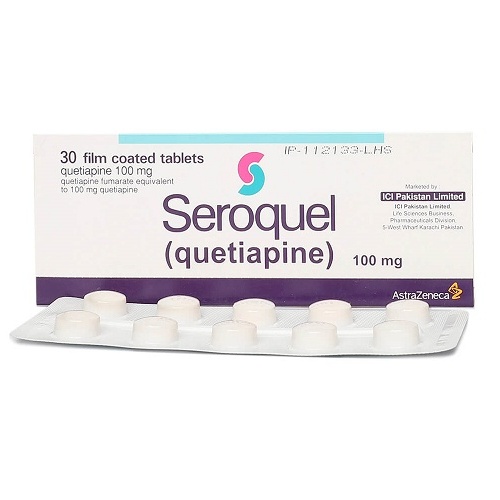
Seroquel (Quetiapine) in the United States: Patient Guide, Prescription Rules, Safety, and Clinical Experience
Can Seroquel be obtained without a prescription in the United States?
No, Seroquel (quetiapine) is classified as a prescription-only medication in the United States. It cannot be legally obtained without a valid prescription from a licensed healthcare provider.
Key Takeaways: What You Need to Know About Seroquel
- Seroquel is prescribed primarily for schizophrenia, bipolar disorder, and adjunctive treatment of depression when other therapies are insufficient.
- It is not suitable for everyone; a thorough doctor evaluation is required to assess benefits and risks.
- Improvement in mood or psychotic symptoms generally appears within several days to weeks, but individual response varies.
- A prescription is required in all states; self-medication is not safe or legal.
- Major risks include sedation, metabolic changes, and cardiovascular effects—your doctor will monitor for these.
- You should seek urgent medical advice if you experience severe drowsiness, confusion, fever, muscle rigidity, or abnormal movements.
Table of Contents
- How Does Seroquel Work in the Brain? Pharmacology and Action
- Understanding Patient Expectations: Insights from Clinical Practice
- How to Take Seroquel: Dosage, Onset, and Duration
- Food, Alcohol, and Lifestyle Interactions
- Who Should Not Take Seroquel? Absolute and Relative Contraindications
- What Side Effects Are Most Common with Seroquel?
- Avoiding Common Mistakes with Seroquel
- Seroquel Compared to Alternatives: Efficacy, Safety, and Cost
- Technical Reference Table: Seroquel Product Characteristics
- Medication Compatibility Checklist
- How to Get Seroquel Legally: Step-by-Step Process in the United States
- Online Pharmacy Safety: How to Avoid Unsafe Sources
- Spotting Counterfeit Seroquel and Understanding Generics
- Quality Check: How to Verify Your Seroquel
- Pharmacokinetics: How Seroquel Is Metabolized and Cleared
- Special Populations: Elderly, Children, Pregnancy, and Driving
- What to Do in Case of Overdose
- Psychological Support and the Importance of Holistic Care
- Questions Patients Often Ask Their Doctor About Seroquel
- Clinical Assessment by doctor
- Frequently Asked Questions (FAQ)
- References
How Does Seroquel Work in the Brain? Pharmacology and Action
Seroquel’s (quetiapine) effect stems from its complex interaction with multiple neurotransmitter receptors in the central nervous system. The primary pharmacological action is antagonism (blocking) of serotonin type 2A (5-HT2A) and dopamine type 2 (D2) receptors. It also has affinity for histamine H1, adrenergic α1 and α2, and serotonin 5-HT1A receptors, among others.
In practice, the medication modulates excessive dopamine and serotonin signaling thought to underlie symptoms of psychosis and mood instability.
On a biochemical level, Seroquel’s antagonism of D2 receptors helps reduce the positive symptoms of schizophrenia (such as hallucinations and delusions), while 5-HT2A antagonism contributes to mood stabilization and reduction of negative symptoms (such as social withdrawal and apathy). Its action at H1 and α1-adrenergic receptors is responsible for sedative and hypotensive effects, respectively.
Metaphor: Imagine the brain as an orchestra with instruments (neurotransmitters) that sometimes play too loudly or out of sync. Seroquel acts like a conductor who quiets the overactive sections, allowing for a more balanced “performance.”
Seroquel’s effects are not dependent on food intake, time of day, or patient activity, but it may take days or weeks for full clinical improvement.
References: FDA, PubMed, Mayo Clinic
Misconceptions About Symptom Improvement Timelines: Real-World Insights
In my experience, many patients expect Seroquel to “work” within a day or two, similar to how they might perceive pain relief or sleep aids. However, its true therapeutic effects on mood, delusions, or agitation often require consistent dosing over a week or more, with some improvements continuing for several weeks. Patients rarely ask about the expected delay in effect or how to differentiate between side effects and therapeutic benefits. I find it critical to set realistic expectations early, emphasizing that some side effects (like sedation) may appear rapidly and fade, while mood and thought stabilization is gradual. Another issue is that patients often interpret early side effects as treatment failure and may stop the medication prematurely or without discussion. Asking about symptom tracking, side effects, and medication goals helps align physician and patient understanding to avoid unnecessary discontinuation or frustration.
How to Take Seroquel: Dosage, Onset, and Duration
Always follow your doctor’s instructions; the following is a general guide for informational purposes only. Seroquel is available as immediate-release and extended-release (XR) oral tablets, with strengths typically ranging from 25 mg to 400 mg.
- Schizophrenia (adults): Initial dose is usually 25 mg twice daily, titrated up in increments of 25–50 mg two or three times daily as tolerated. Therapeutic range: 150–750 mg/day, divided.
- Bipolar mania (adults): Start at 50 mg twice daily, then increase to 200 mg twice daily by day 4. Maintenance: 400–800 mg/day, divided.
- Major depressive disorder (adjunct): Extended-release formulation, starting at 50 mg nightly, titrated up to 150–300 mg nightly as needed.
- Maximum recommended adult dose: 800 mg per day (do not exceed unless specifically directed by a physician).
- Elderly patients: Start at lower doses (12.5 mg to 25 mg/day), titrate more slowly due to increased risk of sedation, orthostatic hypotension, and metabolic side effects.
Peak effect: Sedation and calming effects often appear within hours; full antipsychotic or mood-stabilizing effects may take 1–2 weeks or longer.
Duration: The half-life is approximately 6 hours (immediate-release) and 7 hours (XR).
Tablet splitting: Only immediate-release Seroquel tablets may be split if scored; extended-release tablets must not be split, crushed, or chewed.
Food, Alcohol, and Lifestyle: What Should You Avoid While Taking Seroquel?
- Food: Seroquel absorption is not significantly affected by food. However, some studies suggest that taking XR formulations with a high-fat meal can increase blood levels slightly. Take consistently with or without food as advised by your doctor.
- Grapefruit juice: Avoid. Grapefruit juice inhibits CYP3A4 enzymes, potentially increasing Seroquel blood levels and side effects.
- Alcohol: Strongly discouraged. Combining Seroquel with alcohol may cause excessive sedation, impaired judgment, and increased risk of falls or overdose.
- Caffeine: No significant interaction, but excessive caffeine may worsen anxiety or insomnia.
- Other sedatives: Use with caution; additive sedative effects are possible.
Bottom line: Avoid alcohol and grapefruit juice. Take Seroquel at the same time each day for best results. Always check with your doctor before adding new foods, supplements, or medications.
Who Should Not Take Seroquel? Absolute and Relative Contraindications
- Absolute contraindications:
-
- Known hypersensitivity to quetiapine or any component of the formulation.
- Concomitant use with strong CYP3A4 inhibitors (e.g., certain antifungals, protease inhibitors) unless benefits outweigh risks, as blood levels can rise dangerously.
- Current use with other medications known to prolong the QT interval (risk of life-threatening arrhythmias).
- Relative contraindications (use only under strict medical supervision):
-
- History of neuroleptic malignant syndrome (a rare, potentially fatal reaction to antipsychotics).
- Uncontrolled cardiovascular disease, including recent (<3 months) myocardial infarction, unstable angina, or decompensated heart failure.
- Prolonged QT interval on ECG or family history of sudden cardiac death.
- Liver impairment: Dose adjustment required.
- Severe sleep apnea or significant respiratory depression.
- Glaucoma (may increase intraocular pressure).
- History of seizures (Seroquel lowers seizure threshold).
- Diabetes, obesity, or metabolic syndrome (risk of worsening hyperglycemia and weight gain).
Explanation: Seroquel can affect heart rhythm, blood sugar, and blood pressure. It also acts on the central nervous system, so caution is needed in those with neurological, metabolic, or cardiovascular risk factors.
What Side Effects Are Most Common with Seroquel?
Very common (>1 in 10):
- Drowsiness or sedation (up to 57% of patients).
- Dizziness.
- Dry mouth.
- Weight gain and increased appetite.
- Orthostatic hypotension (drop in blood pressure upon standing).
Common (1 in 100 to 1 in 10):
- Constipation.
- Upset stomach, vomiting.
- Elevated cholesterol or triglycerides.
- Abnormal liver enzymes.
- Restlessness or agitation.
- Sleep disturbances.
Rare (<1 in 1,000):
- Seizures.
- Priapism (prolonged, painful erection).
- Severe allergic reactions (anaphylaxis, angioedema).
- Neuroleptic malignant syndrome (high fever, muscle rigidity, confusion, life-threatening).
- Diabetes onset or ketoacidosis.
- Cataracts (with long-term use).
- Tardive dyskinesia (involuntary movements, often of face and tongue).
What to do if you experience side effects: For mild symptoms (like mild drowsiness or dry mouth), speak with your doctor at your next visit. For severe symptoms—high fever, confusion, muscle stiffness, abnormal movements, fainting, or severe allergic reactions—seek immediate medical attention or call 911.
Common Pitfalls: Mistakes Patients Make When Using Seroquel
- Stopping Seroquel suddenly: Abrupt discontinuation can cause withdrawal symptoms (insomnia, nausea, return of psychosis or mania) and should only be done under medical supervision.
- Taking Seroquel at inconsistent times: Irregular dosing disrupts blood levels, reducing effectiveness and increasing side effect risk. Aim for the same time every day.
- Crushing or splitting XR tablets: Extended-release forms must not be altered. Doing so can lead to overdose or rapid onset of side effects.
- Combining with alcohol, sedatives, or recreational drugs: This increases the risk of dangerous sedation, respiratory depression, or loss of consciousness.
- Ignoring early signs of metabolic changes: Weight gain, increased thirst, or urination may signal rising blood sugar. Report these to your doctor as soon as possible.
- Not informing the doctor about other medications: Many drugs interact with Seroquel, so always provide a complete medication list, including over-the-counter products and supplements.
Seroquel Compared to Alternatives: Efficacy, Side Effects, and Cost
The main alternatives to Seroquel in the United States include risperidone, aripiprazole, and olanzapine. Below is a practical comparison based on current clinical use and market conditions (2026). Prices are estimates for generic versions in USD, based on common pharmacy pricing.
| الاسم | Typical Dose Range | Onset of Effect | Common Side Effects | Average Price (per 100 mg equiv.) | Notes |
|---|---|---|---|---|---|
| Seroquel (quetiapine) | 150–800 mg/day | Days to 2 weeks | Sedation, weight gain, metabolic | $0.60–$1.20 | Preferred if sedation is desired or for mood symptoms |
| Risperidone | 2–8 mg/day | Days to 2 weeks | Increased prolactin, movement disorders | $0.40–$1.00 | Less sedating; more likely to cause movement symptoms |
| Aripiprazole | 10–30 mg/day | 1–2 weeks | Akathisia, less weight gain | $1.00–$1.80 | Activating; may worsen anxiety/insomnia in some |
| Olanzapine | 5–20 mg/day | Days to 2 weeks | Marked weight gain, sedation | $0.80–$1.50 | High metabolic risk; avoid in diabetes |
Bottom line: Each medication has unique pros and cons. Seroquel is often chosen for patients who benefit from sedation or who have not tolerated other antipsychotics.
Technical Reference Table: Seroquel Product Characteristics
| Parameter | Value |
|---|---|
| Active ingredient | Quetiapine fumarate |
| Available strengths | 25, 50, 100, 200, 300, 400 mg |
| Formulations | Immediate-release, extended-release (XR) |
| Half-life | 6–7 hours (dose-dependent) |
| Storage | Room temp (20–25°C/68–77°F), dry place |
| Manufacturer (brand) | AstraZeneca (original), various for generics |
| Prescription requirement in US | Yes (Rx only) |
Compatibility Checklist: Seroquel and Other Medicines/Foods
| Type of Product | Can it be combined? | Consequences |
|---|---|---|
| Alcohol | NO | Excessive sedation, increased overdose risk |
| Grapefruit juice | NO | Raises Seroquel levels, side effect risk |
| SSRIs (e.g., sertraline) | Usually Yes | May increase side effects; monitor closely |
| Strong CYP3A4 inhibitors (e.g., ketoconazole) | NO | Dangerous blood level increases |
| Other antipsychotics | Rarely | Increased risk of side effects; only under specialist care |
| Antihypertensives | Yes, with caution | May increase risk of low blood pressure |
How to Get Seroquel Legally: Step-by-Step Process in the United States
- Schedule an appointment with a licensed healthcare provider (primary care, psychiatrist, or telemedicine).
- Undergo a thorough medical assessment, including a review of psychiatric and physical health, current medications, and risk factors.
- Receive a diagnosis and discuss treatment options. If Seroquel is deemed appropriate, your doctor will discuss benefits, risks, and monitoring.
- Get a prescription, which may be sent electronically to your preferred pharmacy.
- Pharmacy fulfillment: Bring valid ID and insurance card (if applicable) to your chosen US pharmacy. Copays vary based on insurance plan and state.
- Begin treatment as instructed. Schedule follow-up appointments as directed for monitoring of efficacy and side effects.
- Refills may require regular doctor visits or telehealth check-ins, depending on state regulations and your clinical status.
Online Pharmacy Safety: How to Avoid Unsafe Sources in the United States
- Always use licensed pharmacies—check for accreditation from the National Association of Boards of Pharmacy (NABP) or .pharmacy domain.
- Look for verification seals such as VIPPS or NABP Digital Pharmacy.
- Warning signs of unsafe sellers: No prescription required, unusually low prices, incomplete contact details, or shipping from outside the United States.
- Beware of counterfeit medicines: These can be ineffective or dangerous. The FDA does not guarantee safety or authenticity for products purchased from unverified sites.
- If in doubt, consult your state board of pharmacy or use the FDA’s BeSafeRx program.
Spotting Counterfeit Seroquel and Understanding Generics
Original Seroquel and FDA-approved generics must:
- Be supplied in tamper-evident blister packs or pharmacy bottles with clear labeling (name, dose, manufacturer, NDC number).
- Feature uniform tablet color, shape, and imprint according to packaging insert (e.g., “SEROQUEL 100”).
- Include manufacturer and lot number; generics will have the generic name (quetiapine fumarate) and generic manufacturer.
- Have pharmacy and manufacturer contact information for verification.
- Sometimes include QR codes or holograms on packaging (varies by manufacturer).
Red flags for counterfeits:
- Unusually low price, especially from unverified online sellers.
- Packaging in a non-English language (unless from a US-based, bilingual region).
- Broken seals, missing labels, or tablets that differ from standard appearance.
About generics: FDA-approved generics contain the same active ingredient, dose, and efficacy as the brand name. Inactive ingredients (excipients) may differ—rarely, these can cause allergic reactions or sensitivity. The cost of generics is often 50–80% less than brand Seroquel. Discuss generic vs. brand options with your pharmacist and doctor.
Quality Check: How Should Genuine Seroquel Look?
- Immediate-release tablets: Usually round, film-coated, color varies by dose (e.g., white, yellow, peach); embossed with strength and brand/generic name.
- XR tablets: Oblong, film-coated, color and imprint specific to strength.
- Packaging: Tamper-evident seals, clear batch number, expiry date, manufacturer information.
- Pharmacy label with your name, prescriber, and dosage.
- When in doubt, compare with images on the manufacturer’s website or ask your pharmacist to verify.
Pharmacokinetics: How Seroquel Is Metabolized and Cleared from Your Body
Seroquel is primarily metabolized in the liver by cytochrome P450 3A4 (CYP3A4) enzymes. Its major metabolites are inactive. The medication is eliminated mainly as metabolites via urine (73%) and feces (20%).
- Onset of action: 1–2 hours (immediate-release), slightly longer for XR.
- Half-life: About 6 hours (immediate-release), 7 hours (XR)—meaning blood levels decrease by half in this time.
- Clearance: Reduced in liver impairment; dose adjustment required.
Practical point: Seroquel does not accumulate with normal kidney or liver function, but may do so in severe liver disease.
Special Populations: Elderly, Children, Pregnancy, and Driving
- Elderly: Higher sensitivity to sedation, orthostatic hypotension, and metabolic effects; start at low doses and monitor closely.
- Pediatrics: Seroquel is approved for schizophrenia (ages 13–17) and bipolar disorder (ages 10–17); dosing differs from adults. Use only under specialist care.
- Pregnancy: Data are limited; may be considered if benefits outweigh risks. Discuss family planning and breastfeeding with your doctor.
- Breastfeeding: Seroquel passes into breast milk in small amounts. Use only if necessary, under careful monitoring.
- Driving/operating machinery: Seroquel can impair mental alertness. Do not drive or use heavy machinery until you know how it affects you, especially when starting or changing dose.
- Fertility: No direct adverse effects reported, but sexual side effects are possible with all antipsychotics.
What Should I Do in Case of Seroquel Overdose?
- Stop taking the medication immediately.
- Call emergency services (911) or proceed to the nearest emergency department.
- Inform medical professionals of the exact dose, time taken, and any other substances involved.
- Do not induce vomiting unless specifically directed by a healthcare provider.
- Remain with someone or ensure supervision until help arrives.
Symptoms of overdose may include extreme drowsiness, rapid heart rate, low blood pressure, seizures, or loss of consciousness.
Psychological Support and the Importance of Holistic Care
Mental illness is both common and manageable. You are not alone, and seeking support is a sign of strength. Many people benefit from discussing their treatment experience with a trusted provider, family member, or support group. Remember, medication is just one component of recovery—therapy, lifestyle changes, and social support are equally important.
Questions Patients Often Ask Their Doctor About Seroquel
- How will I know if Seroquel is helping my symptoms?
- Improvement in hallucinations, mood swings, sleep, or agitation may take days to weeks. I recommend keeping a symptom diary to track changes and discussing them at follow-up visits.
- What monitoring is required while I’m on Seroquel?
- We typically check weight, blood pressure, glucose, and cholesterol before starting and periodically during therapy. EKGs may be ordered if you have heart risk factors.
- Can I switch from another antipsychotic to Seroquel directly?
- Cross-tapering is usually necessary to avoid withdrawal or destabilization. Never stop your current medication without medical supervision.
- What happens if I miss a dose?
- If you forget a dose, take it as soon as you remember unless it’s almost time for your next dose. Never double up. If you miss more than one dose, consult your doctor before restarting.
- Will Seroquel affect my physical health long-term?
- There is a risk of weight gain, high cholesterol, and high blood sugar over time. Regular monitoring and adopting a healthy lifestyle can help prevent complications.
- Is it safe to use Seroquel with my antidepressant?
- Combination therapy is common for certain mood disorders but must be managed by a physician to monitor for interactions and additive side effects.
- How often do I need to follow up?
- Most patients are seen within 1–2 weeks of starting, and then every 1–3 months. Frequency depends on your stability, side effect profile, and other treatments.
Clinical Assessment by doctor: When Seroquel is the Right Choice
In my clinical judgment, Seroquel is best suited for adults and adolescents with schizophrenia or bipolar disorder who require both antipsychotic and mood-stabilizing effects, particularly when sedation is also beneficial (such as in acute mania or agitation). It can be an excellent option for patients with depressive episodes not adequately managed by traditional antidepressants, though the risk of metabolic side effects must always be a consideration. Patients with a history of intolerance to other antipsychotics—owing to movement disorders or prolactin elevation—may benefit from Seroquel’s unique receptor profile.
On the other hand, Seroquel may not be ideal for those with a strong history of diabetes, uncontrolled metabolic syndrome, or severe sleep apnea due to its propensity to cause weight gain and sedation. In elderly patients or those with cardiovascular disease, careful dose titration and monitoring are essential. If a patient experiences unacceptable side effects or insufficient symptom control after adequate dosing and duration, I may consider alternatives such as aripiprazole, risperidone, or non-antipsychotic therapies, tailored to their diagnosis and needs. Ultimately, the decision is always individualized, balancing efficacy, tolerability, cost, and patient preference.
Frequently Asked Questions (FAQ) About Seroquel
- Is Seroquel effective for anxiety or insomnia?
- Seroquel is not FDA-approved for primary anxiety or insomnia. While it can cause sedation, its use for sleep is “off-label” and generally discouraged due to side effects and dependency risk.
- How long does it take for Seroquel to start working?
- Some symptoms (like sedation or calmness) appear within hours, but improvement in mood or psychosis may take up to 2–4 weeks of consistent use.
- Can I get Seroquel without seeing a psychiatrist?
- Any licensed physician or nurse practitioner authorized to prescribe in your state can evaluate and prescribe Seroquel, but a mental health specialist is preferred for complex conditions.
- Is Seroquel available as a generic?
- Yes, generic quetiapine is widely available in the United States and is generally much less expensive than the brand-name product.
- How much does Seroquel cost?
- Prices vary by pharmacy, insurance, and dose. Generic quetiapine typically costs $0.60–$1.20 per 100 mg tablet without insurance, but copays may be as low as $5–$20 for a monthly supply with coverage.
- Can Seroquel be delivered by mail?
- Yes, many US-licensed pharmacies and mail-order services will deliver Seroquel directly to your home after verifying your prescription.
- Does Seroquel interact with other medications?
- Yes. Major interactions include strong CYP3A4 inhibitors (e.g., ketoconazole), QT-prolonging drugs, and other sedatives. Always inform your doctor about all medications and supplements you are taking.
- How long should I stay on Seroquel?
- This depends on your condition and stability. For chronic conditions like schizophrenia or bipolar disorder, treatment may be long-term, potentially lifelong. For depression, duration is determined by response and specialist recommendations.
- Will I become dependent on Seroquel?
- Seroquel is not physically addictive, but sudden discontinuation can cause withdrawal symptoms. Always consult your doctor before stopping.
- Where can I report side effects or problems with my Seroquel prescription?
- Contact your doctor, pharmacist, or report directly to the FDA’s MedWatch program.
References
- FDA. Seroquel (quetiapine fumarate) Prescribing Information. U.S. Food and Drug Administration. Accessed 2026. https://www.fda.gov/
- Mayo Clinic. Quetiapine (Oral Route). Drug Information. Accessed 2026. https://www.mayoclinic.org/
- National Institute of Mental Health. Schizophrenia. Accessed 2026. https://www.nimh.nih.gov/
- PubMed. Recent Reviews on Quetiapine Efficacy and Safety. Accessed 2026. https://pubmed.ncbi.nlm.nih.gov/
- National Association of Boards of Pharmacy. Digital Pharmacy Accreditation. Accessed 2026. https://nabp.pharmacy/
- FDA BeSafeRx: Your Source for Online Pharmacy Information. Accessed 2026. https://www.fda.gov/drugs/besaferx-your-source-online-pharmacy-information
- ClinicalTrials.gov. Quetiapine: Clinical Studies and Results. Accessed 2026. https://clinicaltrials.gov/